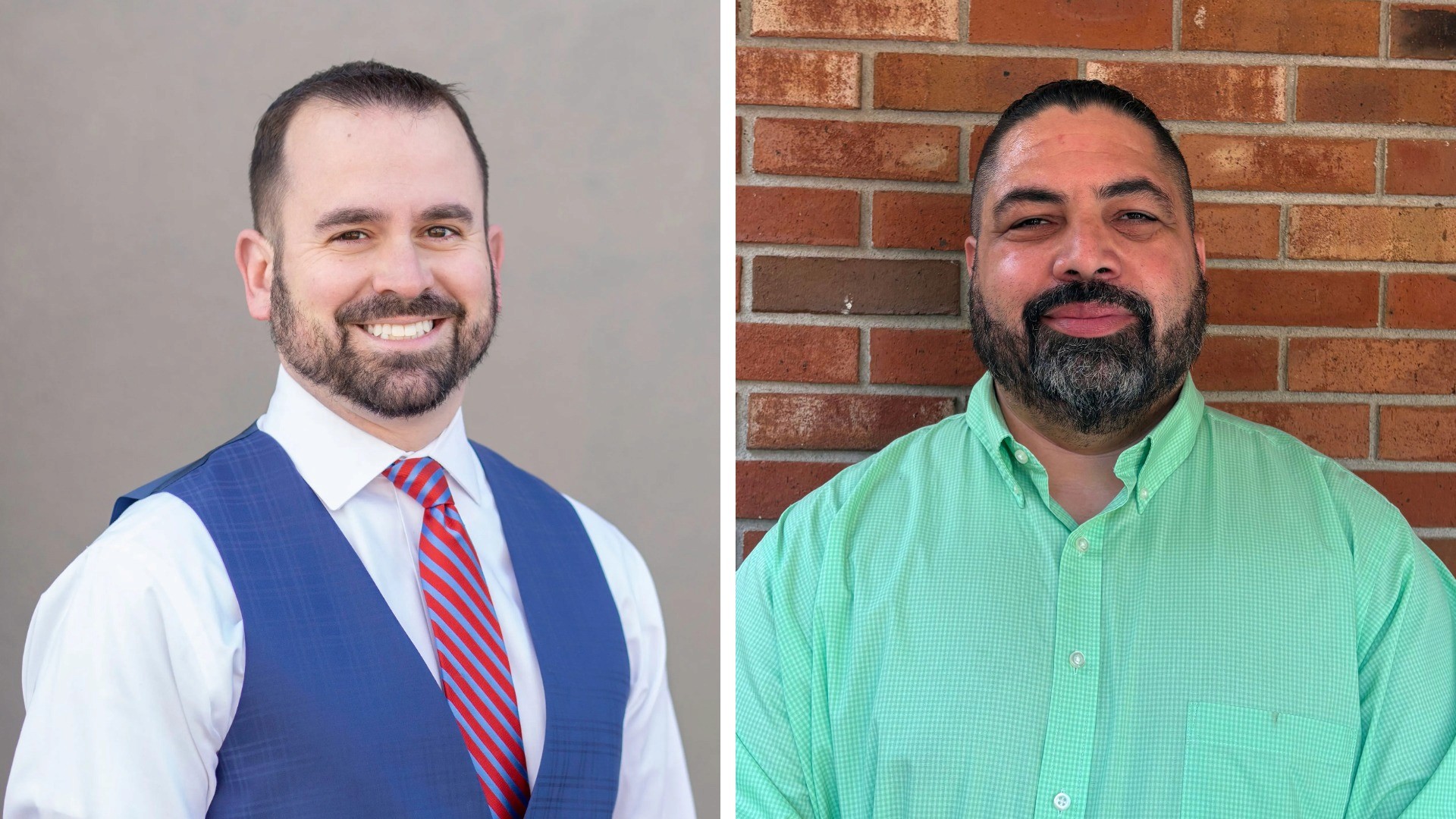
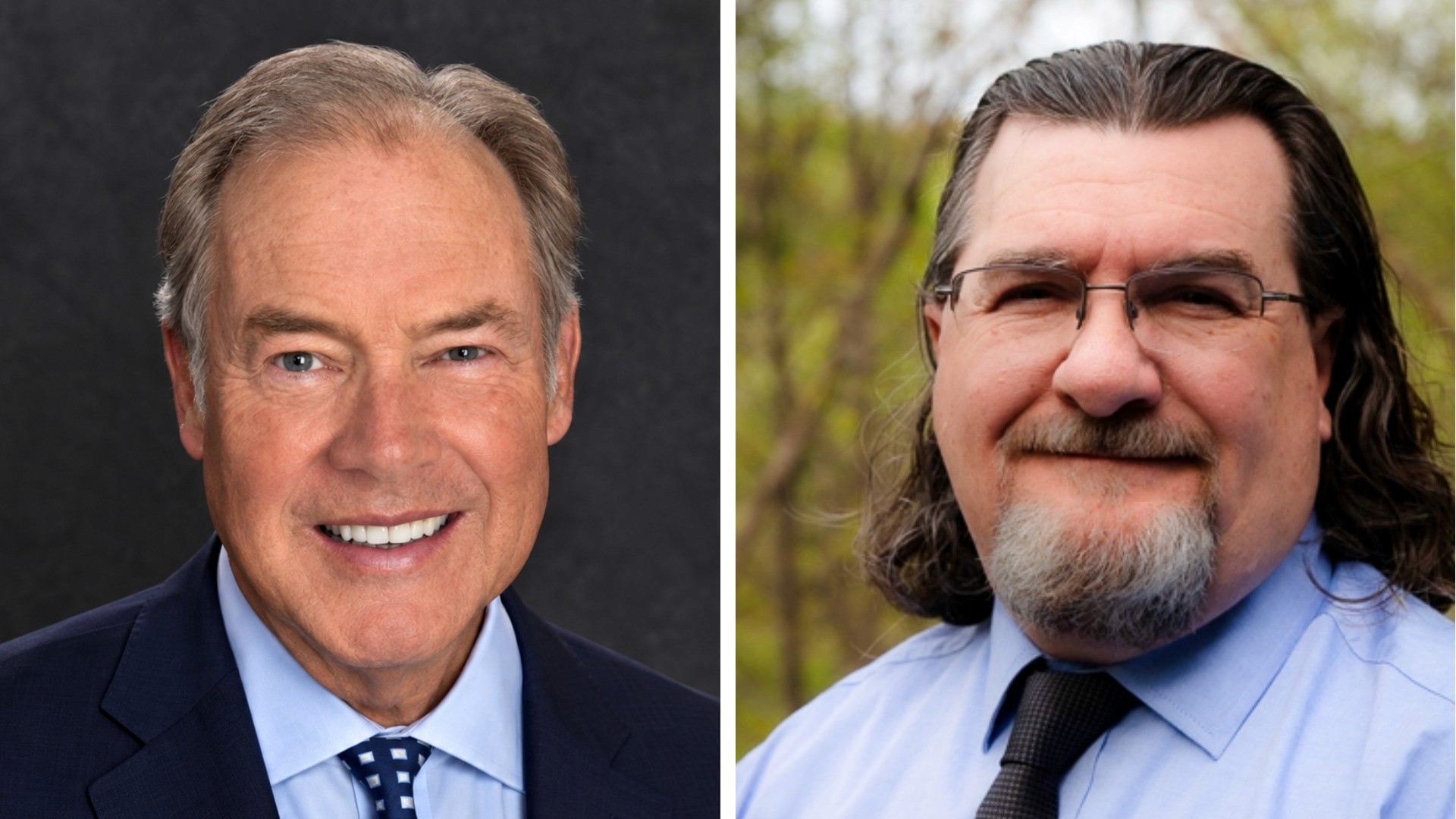
Who's running for South Carolina House of Representatives in District 17? Meet Mike Burns and Rich Nicoloff, the candidates on the ballot in the November 3, 2026 general election. Hear where they stand on the issues facing voters, then share this episode with your neighbors before Election Day.
How the interviews worked:
All candidates received the same question at the time of their invitation to join us, and they were given 10 minutes for their interview. Candidates were allowed to bring along a companion, such as a campaign manager, family member, or friend, and to record our session themselves. There were no edits made to the interview.
Candidate links:
Overview of District 17
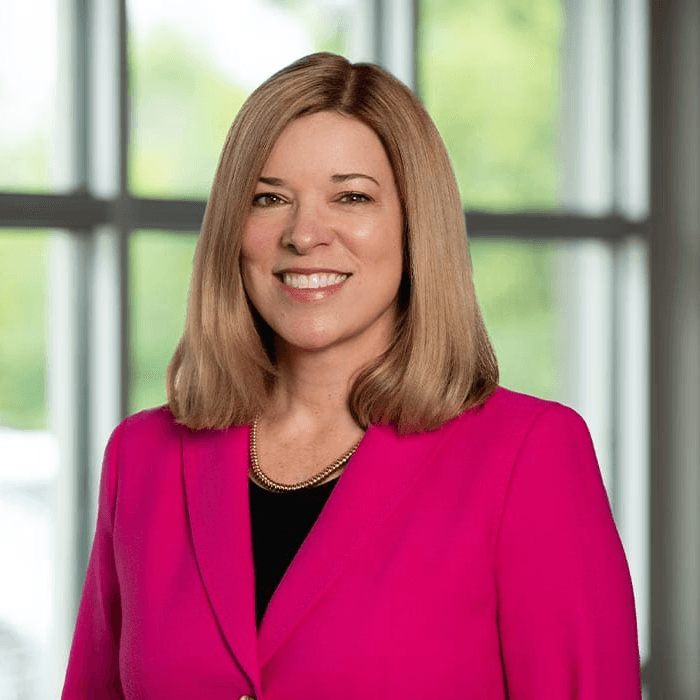
Katy Smith:
When you go to the polls on November 3rd or during early voting, you have the chance to vote for important offices such as U.S. Senate, U.S. Congress, Governor, and State House members. We want to help you get to know your candidates so you can make an informed decision.
I'm Katy Smith with Greater Good Greenville, and on this episode of Simple Civics Greenville County, we feature interviews with your candidates for State House of Representatives District 17, Republican Mike Burns and Democrat Rich Nicoloff. District 17 generally covers northern Greenville County, including Travelers Rest, Slater-Marietta, and the North Greenville area up to the North Carolina border.
Here's how the interviews worked. All candidates received the same questions at the time of their invitation to join us, and they were given 10 minutes for their interview. Candidates were allowed to bring along a companion, such as a campaign manager, family member, or friend, and to record our session themselves.
There were no edits made to the interview. We've put links to the participating candidates' preferred internet presence on the episode page. First up, alphabetically, is Mike Burns.
Meet Mike Burns: South Carolina House of Representatives District 17 Candidate
I'm pleased to be joined by Mike Burns, who's running for re-election for South Carolina House of Representatives, District 17. Thanks so much for being here.
Mike Burns:
I am delighted to be here. Thanks for the invitation.
Katy Smith:
Sure thing. Tell us about yourself and why you're running.
Mike Burns:
Well, it goes back. I'm a business guy. I formed six or seven businesses over my career. When I was doing that, we encountered a lot of red tape, a lot of stuff that just didn't make good sense.
When I got 60 years old, I finally decided, given the opportunity, I'm going to try to do something about it. That's why I went to the statehouse. That was one reason. Fortunately, I've been put in committees and over some subcommittees like regulation subcommittee, environmental subcommittee, where you can do that.
Where regulation was on a scale of 1 to 10 and it was a 9 and the public is safe at a 4, we're able to peel back a bunch of things to make common sense, save businesses some money, and still protect the public. So it's turned out to do what I wanted, but then we got a whole lot of other issues that you jump into.
I can remember back in the textile plants in those days, I had people coming up all the time—constituents in today's time, but back then they were workers in our plant. They had trouble dealing with the regulatory people, agencies in government. They were scared to death.
You'd be shocked how many constituents need help. Every day, you need to try to help cut through the red tape for them so they can get what they need and get some help. Unfortunately, some of our state and county agencies really talk down to the public and don't treat them like they really should be treated.
It always amazed me, and it really shouldn't have been this way. But the day before I got elected, nobody cared. Nobody was listening. The day after I got elected, they couldn't do enough to straighten up somebody when they were getting not a fair shake at some agency somewhere. So it really gives you a good feeling when you've been able to help your constituents from time to time.
Katy Smith:
What do you believe is most on constituents' minds that you can address should you win?
Mike Burns:
Well, obviously, everybody still talks about bridges and roads. It was roads and bridges; now it's bridges and roads. Up in the northern end of the county where we are, we've had untold bridges marked deficient.
There were actually four bridges right around my house, nowhere to get in and out, close to the house. Fortunately, they got all four of those fixed in a pretty short period of time. There's one a little farther north of me that's been out for three years now and it's still not out. They care about that, and they want those fixed.
If there's a tree about to fall on somebody in the road, I remember at the Christmas parade last year at Slater-Marietta somebody called, and I watched it when I went by. They said, "I'm standing at a certain place and this tree's leaning right over the sidewalk and we're scared to death it's going to fall on somebody." You get that kind of stuff.
Just yesterday I had somebody call me from Marietta, and they're redoing part of the roads up there. Somehow one of the big manholes got knocked out of the road, so you got a big open hole on U.S. Highway 276. What do we do? Of course I call Carol down at Metropolitan who's over those manholes and sewer lines. She sent somebody immediately back up to get it put back in place, tack welded back down. That's what you do.
You've got a lot of constituent things in the off-season. Right now we're in the off-season, but the second week in January we'll go back. When we do that, I'll go back to try to close the primaries. I file that bill every two-year session since I've been in office. We had two separate hearings on it this year and didn't get a vote on it. It's a Republican platform issue. I'm a Republican, and I'm going to continue to do that.
I'm going to continue to work for property tax relief. I filed a bill this past time. We got a little help on it, but didn't get where it needs to be. Those folks, the homestead exemption, 65 years or older shouldn't be in jeopardy to lose their house.
Back 25 or 26 years ago when it was first passed, it was a $50,000 deduction, and a nice brick ranch house then was $90,000. That same house today is probably worth a half million dollars, and we still have a $50,000 exemption. So we've gone from a 55% exemption to a 10% exemption, by and large.
My bill says you would take half of the appraised value that the county appraises in your county, and half of those taxes would come off. So you got roads, you got property tax relief.
Then the third thing I'd bring up: I really feel strongly we need to have judicial reform in South Carolina. I don't like it where my lawyer friends in the General Assembly are picking the judges that they go to court in front of. We all know how that's got to work. So there's a lot of things that need to be changed.
Katy Smith:
Thank you. What would be your plans to address those constituent concerns and interests?
Mike Burns:
Well, we start pre-filing bills, and I'll have probably a massive amount of bills ready to pre-file in November and December to get ready for the next two-year session, which begins in early January. We'll get those bills, and then if we get hearings, great.
If we don't, then I'll start writing demand letters, which those chairmen hate. But write demand letters that you've got to hear this bill and try to force it onto the committee so it can be heard. Because there are hundreds and hundreds—probably in the Senate and the House together, there are probably 1,200 to 1,500 bills filed in a two-year session.
You'd be shocked to know that only about 200 of those bills make it through the legislative process. If you're not familiar with it, it has to be filed, it has to go through a subcommittee, and if you get a majority vote, it goes to full committee. If you get a majority vote, it goes to the floor. If you get a majority vote when it finally comes up, it goes to the other body—in my case, from the House to the Senate.
It goes through that exact same process. It takes forever, and probably it's a good thing that some things take forever because some terrible bills come through there also. Then you've got to get through the governor. Right now he's vetoed, I think, 14 issues in the budget, and he can veto legislation. I expect we'll probably go back in the next couple of weeks and deal with those vetoes.
You also have got to get the governor to sign it. If he doesn't sign it, odds are it dies, but not necessarily. If you could get a two-thirds vote in each assembly to override it, then it overrides the governor's veto, and that's happened a number of times since I've been there. So that's the lay of the land. It's hard to get a bill through.
Katy Smith:
Thank you. We have a little bit more time. Is there anything else you'd like to share with listeners?
Mike Burns:
The one thing I would like to share, I would encourage it. It's really disheartening for a lot of people, not just elected officials, for people not to be involved in the process. We want you to get out and vote. November 3rd, I think, is the day coming up now.
Sometimes when it's really energetic and it's a presidential time, you might get 20-something percent of the people to come out, which is unheard of. Most of the time it's 10 to 13 percent, and a runoff situation like we're getting ready to have here in South Carolina, it may be less than 10 percent that comes out.
It's pretty hard to justify not liking what goes on with your elected folks when more people should get out, be heard, and cast their ballot to weigh in the process. That's the way it's set up to do. So we want you to get out, vote, be heard, and get involved in the process. Know what's going on.
Katy Smith:
Well, thank you so much for joining us, and thank you for your willingness to continue to serve.
Mike Burns:
All right. Thank you.
Meet Rich Nicoloff: South Carolina House of Representatives District 17 Candidate
Katy Smith:
Next up is Rich Nicoloff. I'm pleased to be joined by Rich Nicoloff, who is running for South Carolina Statehouse District 17. Thanks so much for being here.
Rich Nicoloff:
Great to be here.
Katy Smith:
Tell us about yourself and why you're running for this office.
Rich Nicoloff:
First, let me thank you for having me on the podcast, because I think Simple Civics is a great resource to help citizens get up to speed on how our government works, or in some cases, how it doesn't work.
Anyway, I'm a Gen Xer who grew up in small towns. My youth wasn't really all that different from what you might see in Stranger Things, minus, of course, the monsters. And I'm sure that as most of our listeners have already picked up from my accent, I'm not from around here.
My wife Christy and I moved from Illinois to the South almost 30 years ago. First to Charlotte and then to Travelers Rest 16 years ago. Back in 2001 when our son AJ was born, I was managing a Wolf Camera and Christy was full steam ahead in her career as a healthcare interior designer.
Like a lot of people in that situation, we did the math and realized that I would have to work Monday to Thursday just to pay for child care. So we decided that it made sense for me to stay home and try to get my photography business going. Then a few years later, we added our daughters, Brianna and then Amanda, to our family.
Fast forward then to 2025 and Amanda has left the building—actually, she's left for college. I'm left wondering what my life is going to be like now, when I get the crazy notion to finish the college degree that I started way back in 1988. Funny thing is, it turns out I only needed two more classes to graduate, and I was able to take those online from Greenville Tech. Go Greenville Tech.
So there I was this last spring thinking, okay, now what? Well, of course, that "now what" is why I'm here today. Since moving here in 2010, I've written myself in for some office or another in each election because there were so many unopposed seats. Quite frankly, I didn't find the person who was running worthy of the position or my vote.
I was sick of not having a good choice. Something the hardworking people of District 17 should know is that I was a Republican for much of my 56 years. Even though I was a Republican, I sometimes voted for Democratic candidates, especially in the local and state races, when I thought that that candidate truly cared about me and my neighbors. I have always, always put people over party.
With all that being said, I got fed up with the lack of choices. I got fed up with the politicians of my former party being in control of South Carolina for over 20 years, but them doing little to nothing to fix the problems and make our home one of the best states in the country. Instead, here we sit at the bottom of the rankings, and it seems like those in power just do not care.
Well, I do care. I care about my neighbors. The hardworking folks of the state deserve better. You deserve a choice. And that's why I'm running.
Katy Smith:
Thank you. What do you believe is most on constituents' minds that you can address should you win?
Rich Nicoloff:
While my wife might tell you differently, I'm a great listener and have pretty darn good hearing. Even before I decided to run, but especially after, I have been out and about in the community listening.
What I've heard is this: most people are living paycheck to paycheck, while those same checks are paying for less and less. Groceries cost more. Utilities cost more. Clothes cost more. Insurance costs more. Cars and house repairs cost more. Buying that car or that house in the first place costs more. But most wages haven't risen enough to cover those costs.
Families are suffering, and our small businesses are suffering. That's what I hear the most.
Among all that, I also hear people worried about uncontrolled growth in the form of large housing developments and data centers. Northern Greenville County, where District 17 is, is naturally beautiful, and people want it to stay that way.
While two-thirds of the voters in the district are over 45, like myself, I've heard plenty of people concerned about our schools. Many schools are understaffed, teachers overworked and underpaid, and too-large classes lead to more disruptions and less learning.
There are not enough options for those who aren't planning to go to college, our public South Carolina colleges cost too much for those who do want to attend, and then many of our younger generation are finding that the jobs that are available after they graduate don't pay enough to make the high cost of college worth it.
Now, this last issue I doubt is going to be a surprise to anybody: people think our roads suck. And they're worried about the safety of our bridges. I agree. And did I mention that car repairs cost more?
Katy Smith:
Thank you. What would be your plans to address those constituent concerns and interests?
Rich Nicoloff:
All right. Time for the 20-point presentation with all my charts and visuals. No, just kidding. The fact is, I don't have all the answers. I do have a few ideas now, and I'll be posting those on my website in more detail. The main thing I can say is that I'm committed to finding practical solutions to move South Carolina forward.
I'll do what I can to help attract good businesses, especially manufacturing, to South Carolina. I'll put priority focus on medium- to small-sized businesses so that more profits stay within the state instead of going to corporate heads elsewhere.
I'll encourage local and regional business incubators to produce our own homegrown employers. I'll work to strengthen our public schools to make sure that we have a skilled and educated workforce for those employers. To that end, I'll make sure our public schools have the funding that they need. That is a priority.
I'll work with the other legislators to categorize data centers by their size, electric use, water use, etc., so that our counties and municipalities—who are really going to be making these decisions on whether there are data centers in those counties and municipalities or not—have the tools that they need to make those decisions. And of course, where possible, I want to put statewide controls in place to keep those data centers accountable.
One of the other big things is I'll be transparent and I will foster two-way communication with my constituents. I'll communicate via email, social media, website, however, to keep District 17 informed. I'll also have regular town halls so that I can listen and interact.
Lastly, I will work with anyone, Democrat or Republican, to make South Carolina better for everyone who calls it home. In other words, for all y'all.
Katy Smith:
We have another minute. Is there anything else you'd like to share with listeners?
Rich Nicoloff:
Only a minute. Wow. I guess the biggest thing is just to make sure that the listeners know that I'm not some slick politician. I didn't go to school for political science or any of those things. I'm just a regular guy who wants to make this state better, and I will do whatever I can to do that.
Katy Smith:
Well, thank you so much for joining us, and thank you so much for your willingness to serve.
Rich Nicoloff:
Thank you.
Credits
Simple Civics: Greenville County is produced by Podcast Studio X and is powered by BuzzyPod.
A Greater Good Greenville project.