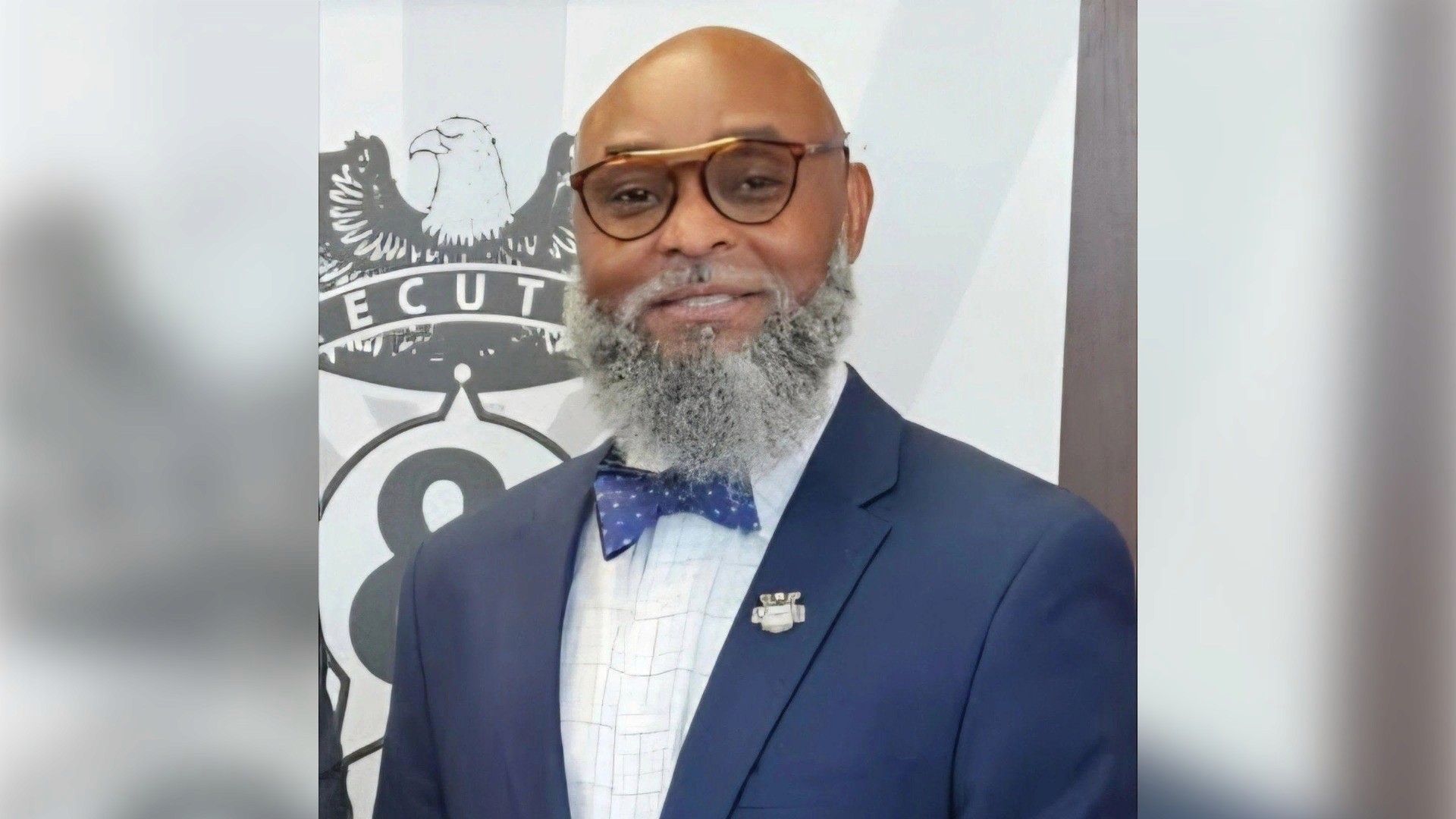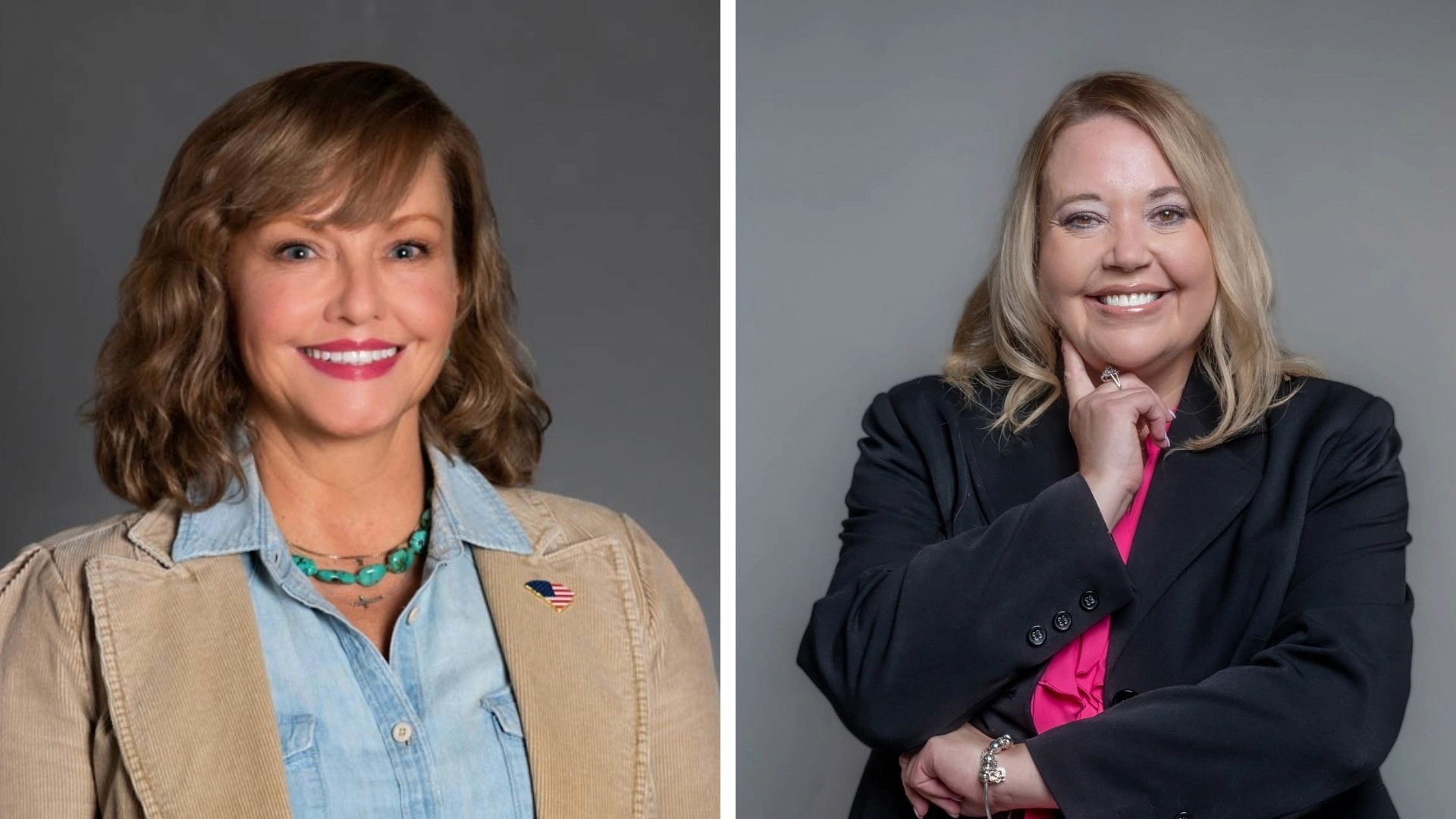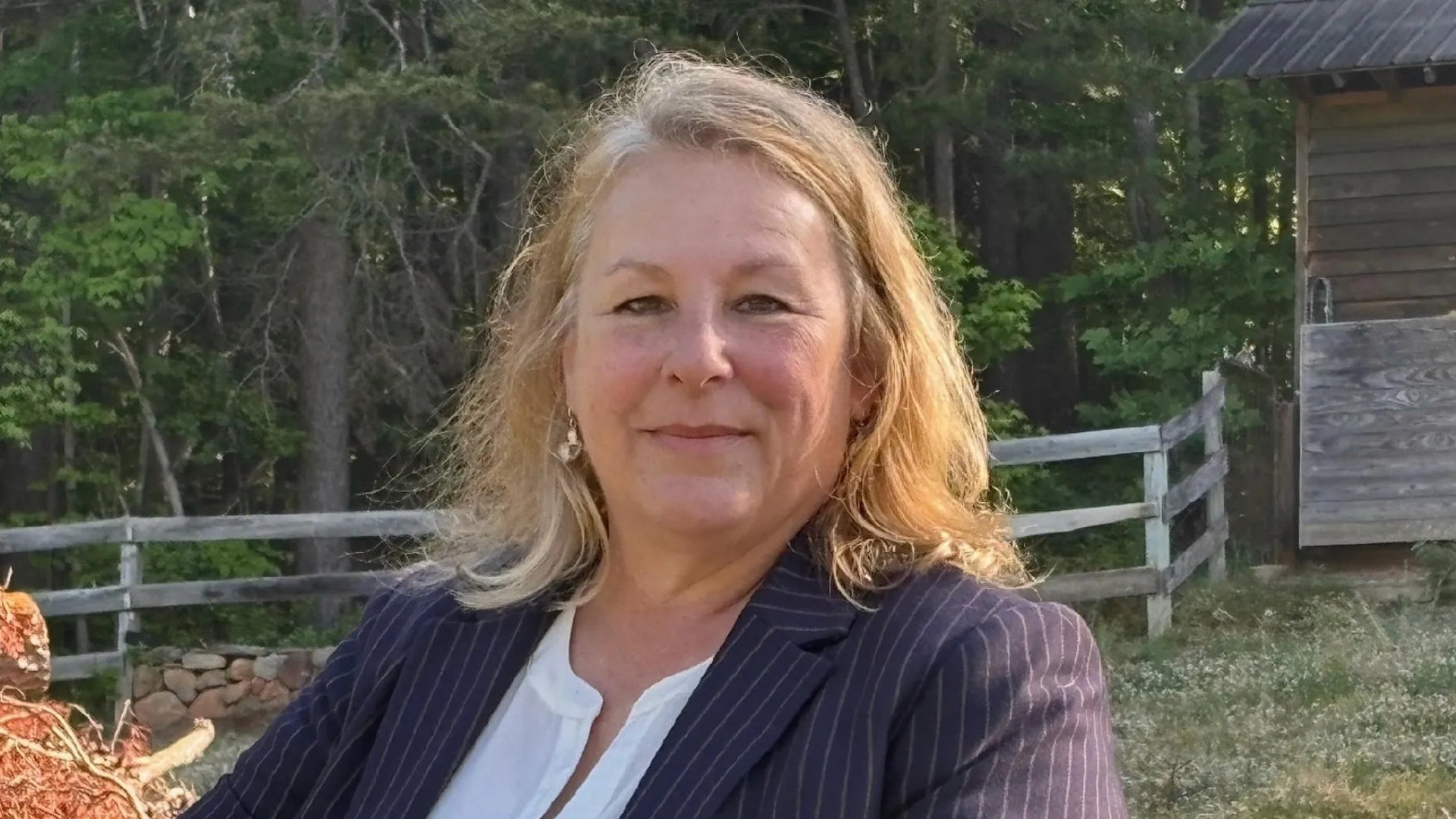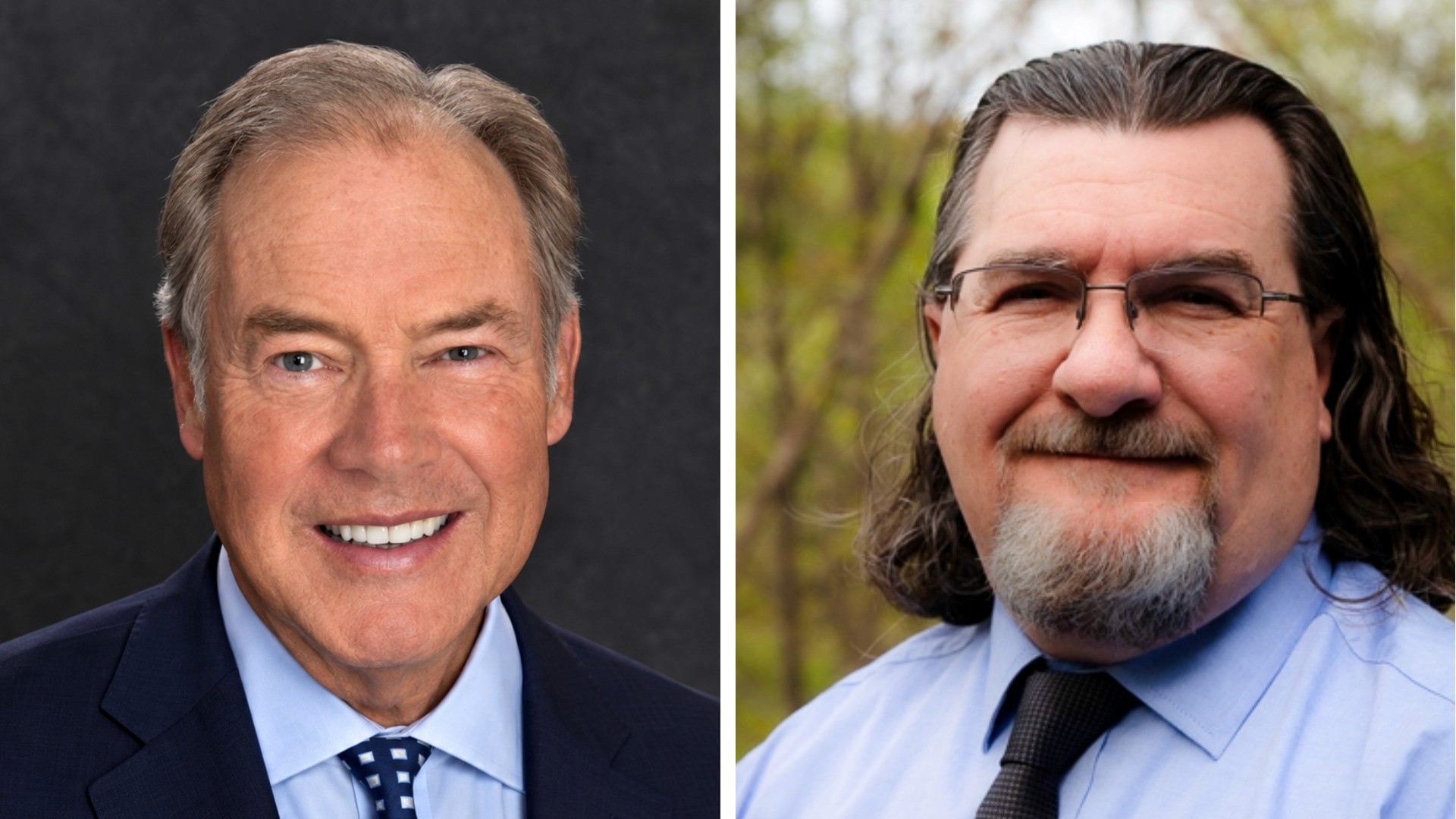
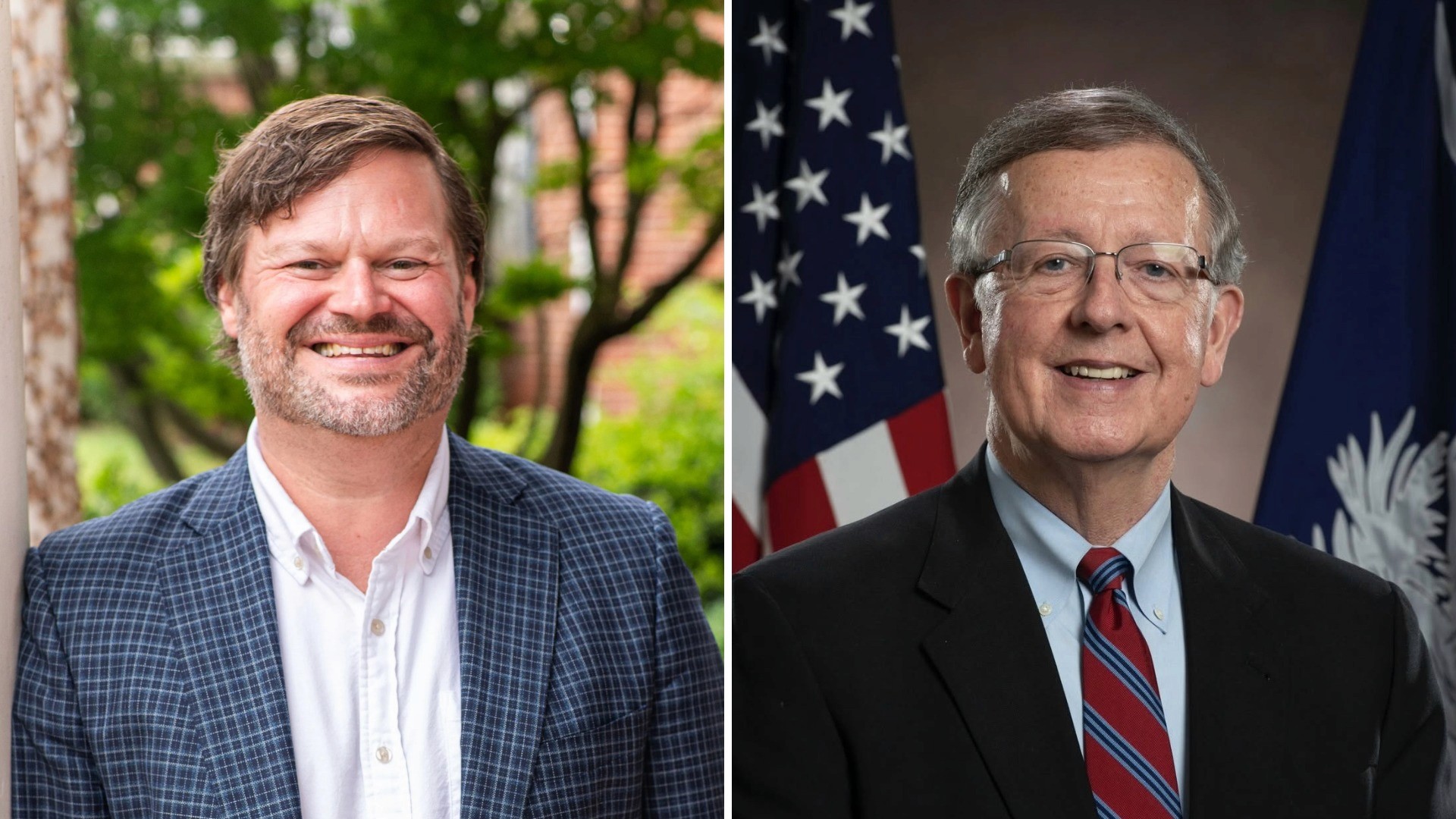

Who's running for South Carolina House of Representatives in District 22? Meet Josh Kendrick and Paul Wickensimer, the candidates on the ballot in the November 3, 2026 general election. Hear where they stand on the issues facing voters, then share this episode with your neighbors before Election Day.
How the interviews worked:
All candidates received the same question at the time of their invitation to join us, and they were given 10 minutes for their interview. Candidates were allowed to bring along a companion, such as a campaign manager, family member, or friend, and to record our session themselves. There were no edits made to the interview.
Candidate links:
Introduction to District 22 Candidates
Katy Smith:
When you go to the polls on November 3rd or during early voting, you have the chance to vote for important offices such as U.S. Senate, U.S. Congress, Governor, and State House members. We want to help you get to know your candidates so you can make an informed decision.
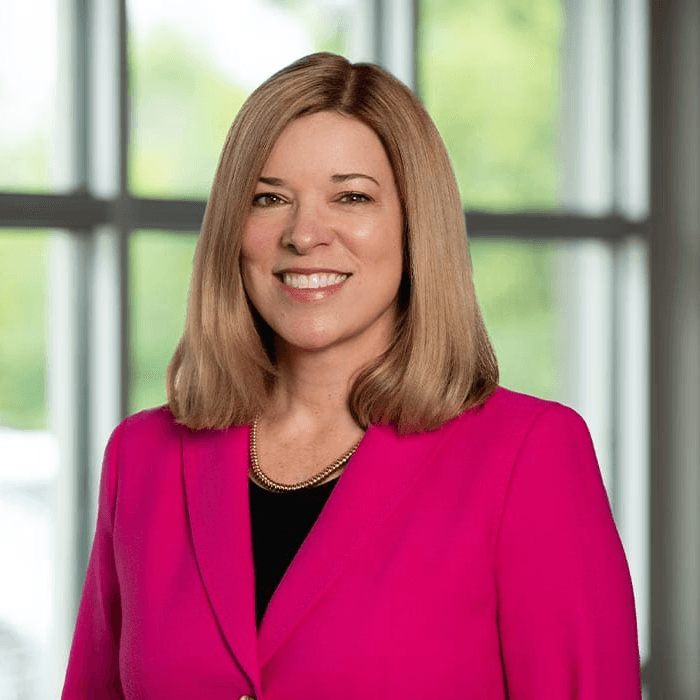
I'm Katy Smith with Greater Good Greenville, and on this episode of Simple Civics Greenville County, we feature interviews with your candidates for State House of Representatives District 22, Democrat Josh Kendrick, and Republican Paul Wickensimer. District 22 generally covers central Greenville County, including parts of the city of Greenville in the North Main area and surrounding suburban areas.
Here's how the interviews worked. All candidates received the same questions at the time of their invitation to join us, and they were given 10 minutes for their interview. Candidates were allowed to bring along a companion, such as a campaign manager, family member, or friend, and to record our session themselves.
There were no edits made to the interview. We've put links to the participating candidates' preferred internet presence on the episode page. First up alphabetically is Josh Kendrick. I am pleased to be joined by Josh Kendrick, who is running for South Carolina House District 22. Thanks so much for being here.
Josh Kendrick:
Thanks for having me, Katy.
Meet Josh Kendrick: South Carolina House of Representatives District 22 Candidate
Katy Smith:
Tell us about yourself and why you're running for this office.
Josh Kendrick:
So I'm a lawyer here in Greenville. I've lived in this city for most of my life. Part of my job, I've learned about how people get treated by systems, including the government. Most of my cases involve me standing between an individual and the government.
But probably more importantly is my family. I've got three daughters. My oldest is starting out her career in another city and my two little girls are in elementary school. I'm also married.
My wife owns a small business here called Good to Go Greenville. I have watched her build it from the garage to three locations and that has also exposed me to how government interacts with small businesses.
When I was thinking about doing this, I was thinking about what we could do for all those realms. The individuals, I think, need help when they're interacting with the government. The young people who are starting out trying to build a life. The really young people who are learning the ways in elementary school. And then these small business owners that I think are so important to our economy.
The theme that my campaign has talked about a lot is the idea of government, not politics. I think right now we're at a time where people that want to come in and really represent citizens could make a serious change. And that's probably the biggest motivator I have is trying to look at what could we do to help the people of first District 22, but also the entire state of South Carolina.
Katy Smith:
Thank you. What do you believe is most on constituents' minds that you can address should you win?
Josh Kendrick:
That's a question I think we probably all know the answer to. Affordability is the buzzword you hear everywhere. But when I'm talking to my friends and my neighbors, when I'm talking to my oldest daughter, when I'm talking to my wife, everybody is concerned about how expensive life has gotten.
I think that the thing we need to address is the real systematic solution for that. We see a lot of ideas out there that I think sound really good and probably help a re-election campaign, but I don't know that they're going to do anything for the people that need the most help.
That really runs through everything that's my priority because going along with that is our education system. Are we preparing kids from when they're six years old to 18 to go out into the workforce to be able to contribute to the economy, but also at the same time benefit from the economy?
The last piece of that is just opportunity. Are we doing what we can to create opportunity for the people of South Carolina? We can do these little trendy things to try to make life more affordable, but if we drive the economy, we build opportunity, we educate our children, those problems are going to solve themselves.
Katy Smith:
Thank you. What would be your plans to address constituent concerns and issues?
Josh Kendrick:
Specifically related to those things we were just talking about, the first thing is what are we doing with our small businesses? I watch my wife's local business, which employs over 50 people that are all residents of Greenville, South Carolina. They all make significantly more than minimum wage.
She does that because I think she's a good person and wants people to be able to live that work for her. But also she recognizes the benefit it has to her business to have a stable workforce, people who show up, people who stay for a long time. But I think we could do more to incentivize that.
When we talk about what the government can do from a tax standpoint, incentivizing these owners with tax credits to say, if you are paying significantly more than minimum wage, that money is going back into the economy. These are people who are renting houses. They are buying groceries. They are buying gas. They are spending that money in Greenville, in South Carolina.
I think that the person who is driving that should be rewarded for that so that at the same time, there's more of these small businesses. When you look around at the big buildings and the big corporations and the places that we frequent, those are all fine. And I'm not against any of those big businesses. But the heart of South Carolina has been these small businesses and these small business owners.
Education is one we always hear about. I think that the easiest thing in the world is to keep increasing teacher salaries. But if that was the only thing that mattered, we'd probably be able to fix it pretty easily.
The other piece of that is to hire support staff and behavioral specialists who can help in a couple of ways. They can keep teachers concentrating on actually teaching the kids.
The other part of those kids, especially at the elementary age, but even going up in high school, I don't believe they're bad kids. I believe there are kids who have different lifestyles than we have, different opportunities, different parental structures. They may not be getting what they need at home.
So if we can intervene with those kids early at school with these behavioral specialists, it's as simple as this: what can we do to help you? When a kid's acting out in a class or causing trouble, that is not because they're a bad kid. It's because they need something.
What better function does government have than to give those kids that something and watch that parlay into greater opportunity, greater public safety, less stress on our legal system? I think that's a really easy solution.
And housing. Everyone's talking about housing. We've got tools in place in the state of South Carolina for housing affordability. The government can continue to grow those. That's not handouts. That's helping people get ahead.
That's a big difference that I think we hear a lot about. Everybody's so worried we're going to start giving a free ride. That's not at all what government does in any event. We need to give people a little bit of a leg up sometimes because right now things are difficult.
All of that bleeds into what I think is most important, which is creating opportunity for people, creating opportunity for South Carolina citizens to have a better life. It's maybe a funny cliche, but a rising tide does lift all boats. For too long, I think we've concentrated on the top, hoping it will trickle down to the bottom.
That hasn't worked for decades. So why don't we concentrate on the other end of the economy and see if we can lift everybody up?
The final thing that I have as a plan is this idea of government, not politics. It's not even that people distrust government right now, it's that they feel left out. They don't have a voice. They don't have a voice in Columbia. They don't have a voice in their decisions that are being made on their behalf.
So one of my promises if I win this election is that I want to be accessible to those people. Some people aren't going to agree with me. Some people aren't going to necessarily love every which way I vote. And I want to hear about it.
I'll commit to go sitting on my front porch and maybe somebody will congratulate me, but I expect people will be upset with me. I want to hear what they want and hopefully give them a direct voice in their own government.
Katy Smith:
Thank you. We have a little bit more time. Is there anything else you'd like to share with listeners?
Josh Kendrick:
It goes along with what I said, but just briefly, I don't expect that voters would agree with me on every single thing. And I think that's okay. I think we've lost sight of that, that having some discussion and some debate and talking about issues and maybe not seeing them from the same angle was the original function of these government chambers where people gathered together to debate important things.
Right now, we have been told who we're supposed to be mad at, we've been told who we're supposed to identify with, and we have been told who we're supposed to yell at. I think there's a real opportunity in November for us to say, what if we did it a little bit different? What if we agreed to disagree on things?
We could all keep one through line, which is that government should be working for people. It is representative. What I promise to do is represent people, which is maybe what I think a lot of people are looking for right now.
Katy Smith:
Well, thank you so much for joining us, and thank you for your willingness to serve.
Josh Kendrick:
Of course. I'm glad you had me. Thank you.
Meet Paul Wickensimer: South Carolina House of Representatives District 22 Candidate
Katy Smith:
Next up is Paul Wickensimer. I'm pleased to be here with Paul Wickensimer, who is running for re-election for South Carolina House 22. Thanks so much for being here.
Paul Wickensimer:
Thank you. Appreciate you having me.
Katy Smith:
Tell us about yourself and why you're running for this office.
Paul Wickensimer:
Well, I have been blessed to have served in public service previously. During my days with BellSouth or AT&T, I decided to run for county council and was able to serve several years there, was a former council chairman and chaired all the standing committees of county council, and I learned a good bit from that.
I went on to become the clerk of court for Greenville County, did that for a number of years and retired and kind of thought that was it. And then there was an opening in the state house. The state representative that represented this district moved on to the state Senate and left an open seat, and I thought about it, prayed about it.
I thought, well, I enjoy public service, enjoy working with people. I've had some success over the years, I think, in trying to work with people and rolling up my sleeves and trying to find some common solutions to issues that came before us in the county government.
I thought this might be an opportunity to continue that public service and work on the state level. So I thought this is not the time to retire. I'm going to move on and see what I can do to add value on the state level.
Katy Smith:
Thank you. What do you believe is most on constituents' minds that you can address should you win?
Paul Wickensimer:
I thought about that question before I got here. And the idea that came to mind is just, is there one particular thing? And I thought, no, there's really not.
People are concerned about how our state is growing. We're up above about 5.6 million people now in South Carolina. We're one of the largest or the fastest growing states in the country. U-Haul says that the U-Haul business is one of the greatest in the country here. So there's a lot of people that are moving here for different reasons.
Is there just one reason? Is it the growth issue? Is it the roads? Is it infrastructure? Is it education? Those are all important. But I think people are looking for somebody that's going to look after their best interest, somebody that's going to care, that's going to be there for the right reasons.
They want somebody that's going to study the issues and try to vote the way that they think is best once they have all that information given to them and they've asked all the questions they could ask. Make a decision for us that's right. Do what you think is right for our district and right for our state.
Have a vision for our state, not only now, but in the future. And that's what I think is on people's minds. They want somebody that's not looking to run for the next office. 'Well, I'm going to run for Congress or Senate or governor or something else.'
They want somebody that really cares, somebody that'll show up for work, somebody that'll ask questions, work hard, and make decisions that are informed for the best for our district, as I say, and for the state.
Katy Smith:
Thank you. What would be your plans to address constituent concerns and issues?
Paul Wickensimer:
I think more of trying to do what I've done in the last couple years in the statehouse. I've been blessed to serve on the House Judiciary Committee. There's a lot of legislation for the state that comes through there. I think I'm the only one from Greenville County that serves on the House Judiciary Committee.
So I serve on that committee as well as on an oversight committee. It's an efficiency and oversight committee. It's an audit type committee, and to have an opportunity to ask questions there.
What my goal is, if reelected, will be continued to make a difference to try to work toward advancing our state in a number of different ways. Just this last session alone, we had a lot of money that was allocated for tax relief, $396 million.
$315 million went for income tax relief, another $81 million for homestead exemption increases there. There is one thing that does trouble me in that tax relief, and that is Washington passed a tax bill, and South Carolina did not follow through with some of the issues of that, such as tips and other things.
The House passed it unanimously. It went to the Senate, and in their infinite wisdom, I guess, they decided not to go along with that. So that was disappointing.
There were some other victories that were in the tax bill or the budget that we passed: $22 million for water and sewer improvements, $380 million for road and bridge improvements, $20 million for school safety grants to make our schools safer because of all the school violence that we see.
Another $30 million was included for school buses. We were able to bring the teacher salaries up above $50,000. $50,500 will be the starting salaries for teachers in South Carolina.
We were able to continue with the freeze in in-state tuition at our colleges. $250 million was allocated for college and university projects. We had tax cuts for businesses. I think we've taken care of veterans in different ways over the last couple years.
We fully funded state law enforcement salary step increases. We've allocated money to improve the radio system for our state, $24.5 million there. Another thing that I've been concerned about, too, is mental health. We allocated $47.5 million to improve mental health for our state and another $80 million for land conservation and the conservation bank.
I think we need to make sure with the growth that we're experiencing that we take care of the land, we set aside land for green space and make sure that it's not fully developed, so people can get out and enjoy that. Those are things that we have worked on and those are things that I want to continue to do.
I look back over the list of things that I said that I wanted to do when I ran for office two years ago. And believe it or not, I think I hit on most of those today, whether it was cut taxes, improve infrastructure, or enhance education.
Protect businesses, work for our veterans. I've been blessed to serve on a veterans caucus, too, to take a look at veterans' issues, stand with law enforcement, just a number of issues, mental health as well. These are the things that I ran on two years ago, and those are things that we've been able to make progress on.
Are we there yet? No. Is there more to do? Yes. There's a lot more to do. But what I've done in the last two years is work to try to get to know my colleagues in the House. There's 124 of us, to build relationships there, to get to know the chairpeople of the different committees in the House, and develop relationships with people in the Senate.
That's the way I can ask questions. I can give input. That way I can get more done by working with people. And I think I'll continue that if I'm blessed to be reelected in November.
Katy Smith:
Thank you. We have a little bit more time. Is there anything else you'd like to share with listeners?
Paul Wickensimer:
I would just like to say it's been a real honor. It's a busy, full-time, part-time job. We start in January and finish up in mid-May. We're there three days a week, but that's not all that's involved.
There's meetings that take place every week throughout the year. There's a lot of different functions that we're invited to, places to go, and people want to inform us and just to learn about issues that are taking place in South Carolina. So it's a busy job.
I'm grateful that I'm retired from my other job, so I have the time to devote to this. It's really been an honor to get to know people, to look at the issues. As I said before, I'd worked in county government for a number of years and felt like I had a handle on that.
Believe it or not, that's really come in handy, too, to be able to utilize that experience that I had in county government. There's a lot of times things will come up on a statewide basis, and that county experience comes in handy.
So I'll do my best to work and make a difference. I say that I want to be the adult in the room, that I want to add value, and that's the reason that I'm running again.
Katy Smith:
Well, thank you so much for joining us and thank you for your willingness to serve.
Paul Wickensimer:
Thank you.
Credits
Simple Civics: Greenville County is produced by Podcast Studio X and is powered by BuzzyPod.
A Greater Good Greenville project.