This episode of Simple Civics Ed Talks is brought to you by InformEdSC.org, South Carolina's most comprehensive, non-partisan data center for critical information about public education. To explore district and state-level data on students, teachers, and funding, visit informedsc.org.
![[EdTalks] Afterschool Is Not an Afterthought: How the Riley Institute Is Elevating Education in South Carolina cover art](https://framerusercontent.com/images/MK1c03mg7M8ft92bAWT78TmrXGE.jpg?width=1400&height=1400)
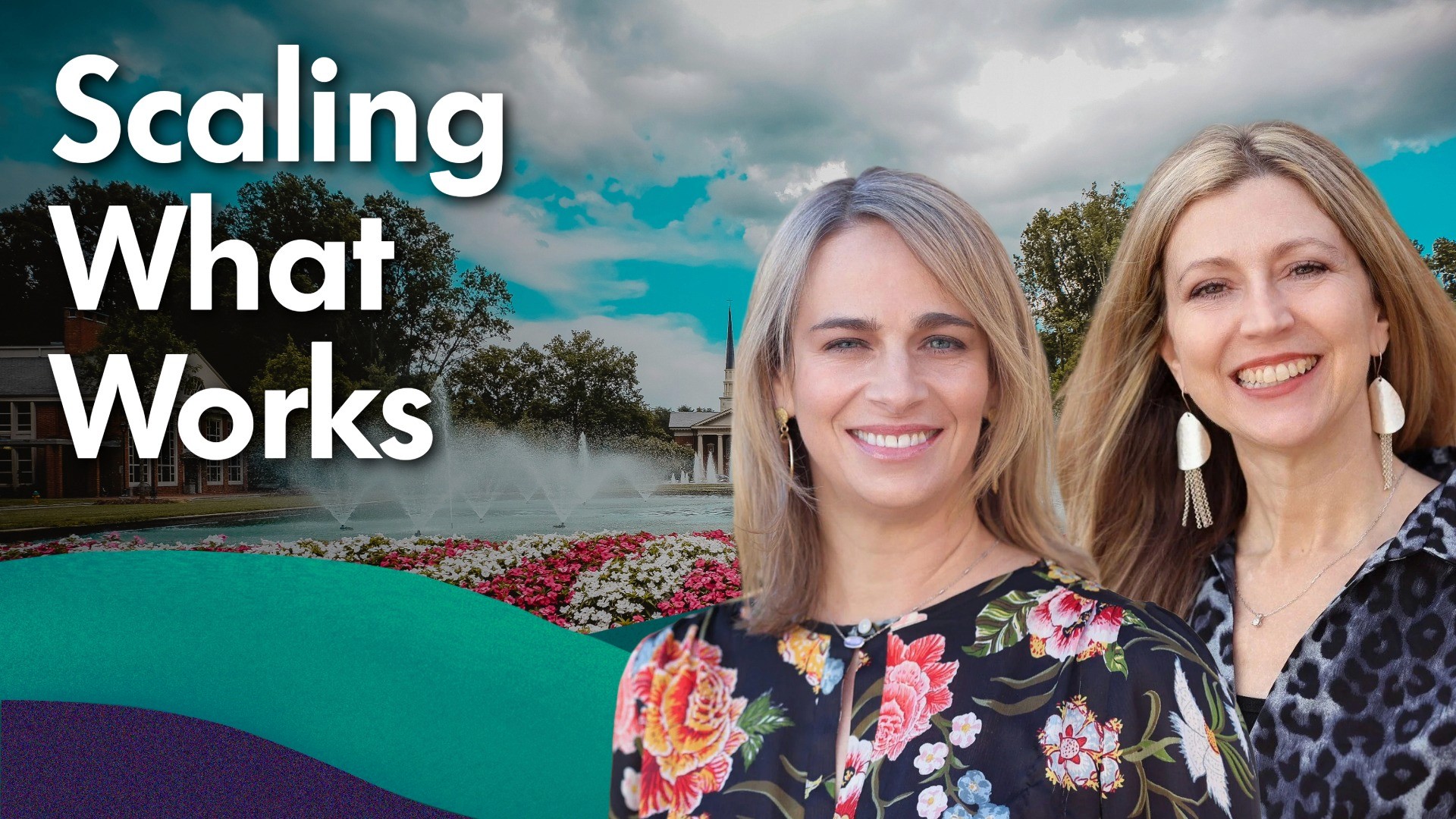
Afterschool is often viewed as just a homework center or a convenient holding zone until parents finish work, but it is actually a vital piece of the education ecosystem. In this episode of Simple Civics EdTalks, Derek Lewis sits down with the Riley Institute’s Cathy Stevens and Amy Keely to explore how evidence-based programs are transforming student success in South Carolina and beyond. Listeners will discover how validating and investing in these critical out-of-school hours directly builds better learners, earners, and leaders for the future.
The conversation unpacks the Riley Institute's multifaceted approach to elevating public education, from recognizing proven success stories through the What Works SC initiative to empowering dedicated professionals via the SCALE fellowship. Cathy and Amy explain the surprising history behind a million-dollar federal pilot that skyrocketed into a $1.3 billion investment, proving that high-quality afterschool programs are much more than mere childcare. You'll learn how targeted youth development models are currently transforming both community health and juvenile justice prevention across the state. We also tease the metrics behind an upcoming ROI study that just might permanently shift how lawmakers fund out-of-school learning, but you will have to tune in for the full breakdown.
If you are passionate about the future of student success, be sure to subscribe and leave a review for Simple Civics!
Episode Resources:
Introduction
Catherine Schumacher:
Furman University's Riley Institute doesn't just conduct research. It also works actively to identify and elevate the most effective evidence-based programs that support children and families on their journey from birth to successful adulthood, both in school and in out-of-school and after-school settings.
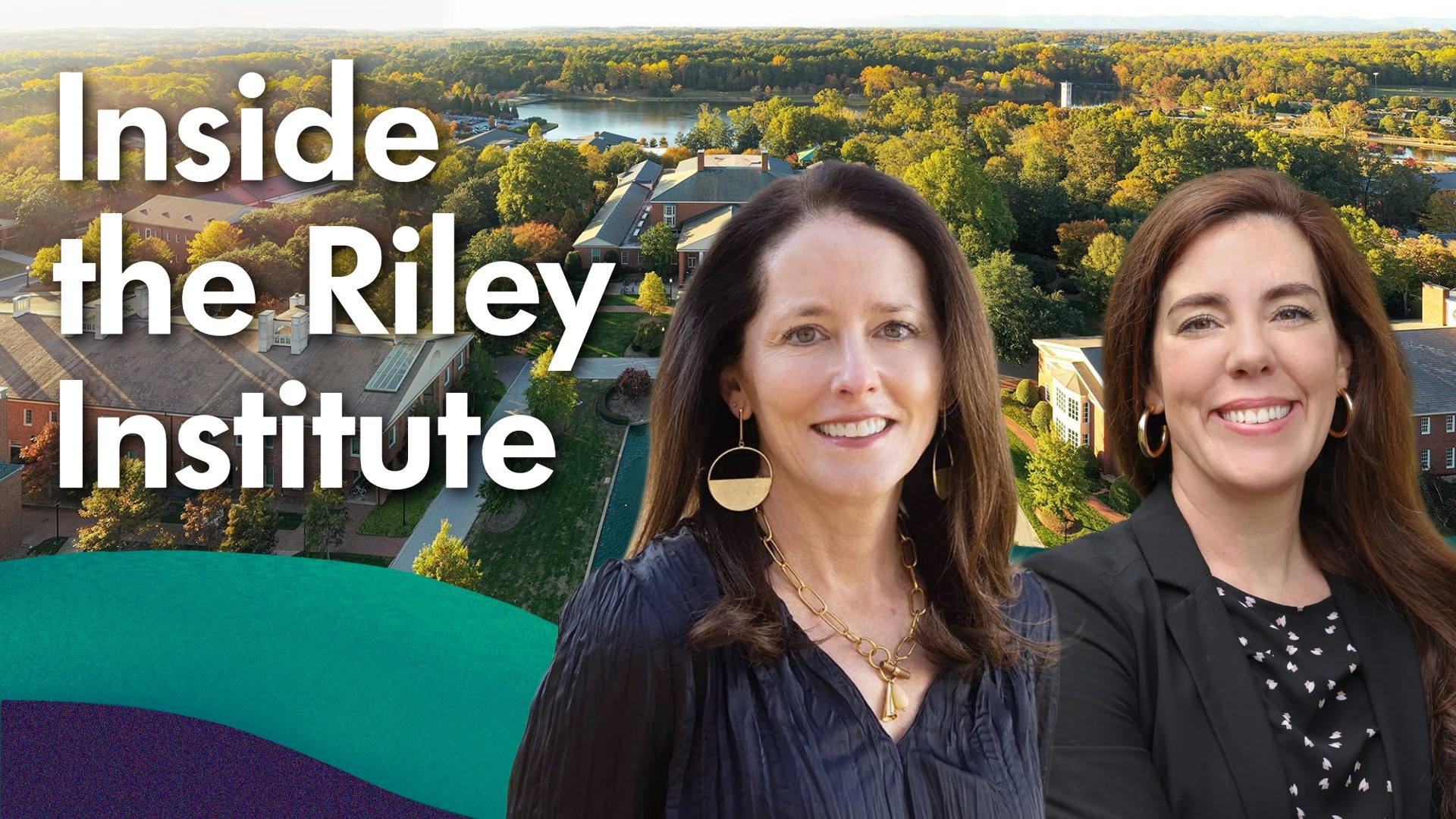
I'm Catherine Schumacher with Public Education Partners. On this episode of Simple Civics Ed Talks, my colleague Derek Lewis speaks with two members of the team at the Riley Institute, Cathy Stevens, Senior Associate, and Amy Keely, Director of the South Carolina Afterschool Leaders Empowered Initiative, or SCALE, to learn more about their work and how it positively impacts outcomes for student learning and well-being in South Carolina and across the country.
Identifying Evidence-Based Success with What Works SC
Derek Lewis:
Cathy and Amy, we are just thrilled to have you guys with us today and just so impressed with all the work that happens at the Riley Institute. I think a lot of people think of one facet of Riley, whether it's DLI or What Works SC or SCALE or the afterschool work.
There is just so much going on, and it's just really incredible that all of that is being done in the same place. Cathy, maybe we could start with What Works SC. That program has been around for many years, and I know you've been involved with it for a while. Can you just tell us a little bit about the origin of What Works SC?
Cathy Stevens:
Absolutely. And thank you so much for having us. We're thrilled to be here. The What Works South Carolina program was born out of a study that happened 20 years ago now. It was a million-dollar study funded by the Hewlett Foundation to look at what is needed in South Carolina public education and what is working.
We learned a lot during that study. One thing that we realized is that South Carolina has so many wonderful programs supporting public education that a lot of people didn't know about.
One of our big findings or takeaways was, "Hey, let's establish What Works SC and seek out all the programs that are evidence-based," because one of the values at the Riley Institute is evidence. We find those programs, elevate them, and then really celebrate them.
Over the almost 20 years of What Works SC, we have just seen so much growth in the programs that apply to be part of the program. I think it's really been a movement. It brings a lot of joy because we're able to celebrate these programs that are really working, honor them, and award them with our annual awards program.
It's actually become difficult because so many programs are applying. We were like, "Wow, there is so much great stuff happening in our state."
The Power of Program Validation and Partnerships
Derek Lewis:
It is one of my favorite events of the year because I learn so much about programs that I really didn't know about, even in our own backyard. I learned about smartARTS from What Works SC. Now First Steps does work with smartARTS that we did not even consider doing before we saw their presentation.
Cathy Stevens:
I never even knew that, but I love that you learned about it and then formed a partnership. I think that's happened in other places across the state, too.
Derek Lewis:
First Steps also partnered with the Children's Trust on Triple P, which was one of the recognized groups. For us, what's been really cool is we have been trying to tell the story of Triple P all over South Carolina, and people just saw it as one more parenting program.
After the recognition, we and the Trust have been able to really go into communities that were hesitant to do another parenting program. It validated the work of Triple P in a way that even the research hadn't done.
Cathy Stevens:
Thank you for sharing that. We do hear that from a lot of award winners that they've had the opportunity to tell their story, not just through the event, but through the videos that are produced about them. Suddenly they do feel like they have that validation.
Transforming Afterschool into an Educational Priority
Derek Lewis:
One of the other things that the Riley Institute is involved in is the afterschool space. For many parents, afterschool is a means to an end. The school day ends way too early and I can't get off work at 2:30. So what can I do from 2:30 to 6:00?
You guys have done some really incredible work in helping people understand that the afterschool minutes and hours are crucial. Can we just talk about some of the work that the Riley Institute is doing in the afterschool space?
Amy Keely:
Absolutely. I love to say that afterschool is not an afterthought. You really just hit that right there; sometimes it's looked at as a homework center, as childcare only, or as allowing working parents to work. All those are really important things.
But afterschool is so much more than that. At the Riley Institute, we're really able to elevate the best practices and the evidence behind afterschool. There's an entire field of study dedicated to afterschool learning and an entire career path across the country dedicated to afterschool.
We focus on what happens during those hours after the school day ends and what happens during the summer when school is not in session. We really feel that the work of the Riley Institute is helping to elevate those hours and helping to make sure that the afterschool space is validated and valuable.
People need to understand that it's not just about babysitting, childcare, or a homework center. There's really some amazing, intentional, evidence-based work that happens during that time.
We really feel like right now that afterschool is having a moment nationwide in the best possible way. Just in the last year or so, there's been a lot of evidence and research briefs that have come out really showcasing that there is immense bipartisan support for afterschool.
I think it's the highest level that it's ever been in polling. No matter who you vote for, no matter where your political leanings are, people view afterschool as not just important, but as critical in their communities.
A nationwide staff survey has come out talking to the staff who work in afterschool programs, again helping to validate that this is a career path. This isn't just something that you do for a little extra spending money during the afterschool hours, but it's a real career path.
We have a health report that's come out nationally showing how afterschool impacts youth mental health and youth physical health. The biggest is that there's a longitudinal study of 26 years of afterschool evidence showing that young people who participate in these programs, the longer they participate, the higher the quality of the programs at every stage.
In their academics and even into their young adulthood, they're better learners, better earners, and better leaders. It's really exciting stuff.
Empowering Afterschool Leaders through the SCALE Initiative
Derek Lewis:
Now, a couple of the afterschool programs that you guys are involved in include the SCALE project. Do you want to talk a little bit about that?
Amy Keely:
Sure, absolutely. SCALE stands for South Carolina Afterschool Leaders Empowered. We love an acronym in education, as we all know. This is a project of the Riley Institute in partnership with other afterschool serving organizations across the state.
It is a year-long fellowship model where we serve existing afterschool professionals within South Carolina to really help provide evidence-based best practices for them. They learn the evidence and receive strategies, tools, and resources that they can take back and implement in their programs.
It's a really intensive process for a year. They're learning all of this, changing their knowledge, and changing their behaviors in their programs that impact young people with the goal of improving the quality of afterschool work across our state.
We want to expand to serve more students, either by enrolling more students or having programs that operate more hours or more weeks out of the year. We are also making these programs more sustainable through partnerships, staff that are elevated and well-trained, funding opportunities, and evidence.
We've been in operation for four years and have served 83 fellows from all corners of the state. These fellows represent 57 school districts in South Carolina. We're really intentional about making sure that we're impacting all of the state.
These folks represent about 58,000 students in South Carolina who are receiving higher quality programming. Therefore, they're on the path to be better learners, earners, and leaders themselves.
Derek Lewis:
It's really incredible when you think about the number of families who rely on afterschool care and to see it elevated and treated as something that could contribute to not only the child's learning, but the health and well-being of the child and the family's stability. It's really having huge impacts.
Amy Keely:
Absolutely. Like I said, it's having a moment in the best possible way. I think it's really a special place to sit to be able to share that information, disperse these strategies, and also just to get to know the amazing people all across our state that are doing really, really good work.
They are in their schools, community centers, and faith communities, really working to transform their communities because it's the right thing to do and because they want to make an impact on kids and families.
Cathy Stevens:
What you just said about how important it is in families' lives—and the school day ending when it does—is so complicated. The Afterschool Alliance does their America After 3PM study every few years, and they completed it again in 2025.
They found that around 79,000 children are in afterschool in South Carolina, but that there are over 350,000 who would like to be but don't have access to a program. It just shows you how high the demand is. We're not meeting that demand just yet, but we hope to.
Driving Change through National Afterschool Policy
Derek Lewis:
That's really incredible. From my past life as an afterschool program director at the Y, it was really interesting working with parents and helping them understand the function of afterschool. Many of them thought it was just to make sure they get their homework done.
Working with them through the fact that we are building social skills and providing physical fitness and activity time was a real learning experience for families as well. Now, let's talk a little bit about the policy fellowship, because I know that's also part of this afterschool work.
Cathy Stevens:
I really wanted to have a chance to mention that. That's the White-Riley-Peterson Policy Fellowship. It's been around for 14 years and it's funded by the C.S. Mott Foundation. It is very much focused on how to improve afterschool policy at the state level.
That's one of our national programs. We have had the opportunity to work with over 200 individuals from around the country who are going to their state houses and trying to improve funding at the state level for afterschool.
I wanted to just give a very quick history lesson, if that's okay. While the Riley Institute is so focused on public education, we deeply believe afterschool is part of the public education ecosystem because of what we just talked about regarding where kids go in those afterschool and summer hours.
The history is: why are we an afterschool hub at the Riley Institute? That's because Dick Riley was directly connected to the only federal line item for afterschool, which is the 21st Century Community Learning Center line item.
It's a little-known history, but in the year 2000, when he was finishing up his time as the U.S. Secretary of Education, there was a pilot project funded by the federal government that was less than a million dollars.
He worked closely with his deputy secretary, Terry Peterson, and then the head of the Mott Foundation, which is based in Michigan. They have been the foundation in the country that has invested the most in afterschool funding.
They worked in this public-private partnership to expand that pilot afterschool line item from a million to now $1.3 billion. It's remarkable to have a line item that has lasted for 25 years and continued to grow.
It's a testament to the bipartisanship of this issue. I just wanted to mention that because it's such a neat history about our beloved Dick Riley and his work. Our policy fellowship is very similar to SCALE; it's a year-long educational opportunity.
Individuals from around the country come to Furman and have this very intensive learning experience. Then they go back to their home states and we mentor them on policy projects throughout the year to work on afterschool.
Educational Bright Spots and Future Goals in South Carolina
Derek Lewis:
It's really incredible the reach that the Riley Institute has, both influencing work within the Upstate and all over South Carolina and throughout the country. You guys have been all over the state doing work with What Works SC, SCALE, and the fellowship.
When you look across the state of South Carolina, what are some bright spots that you see that are encouraging to you?
Amy Keely:
There are a couple of different organizations that I think are doing some really amazing work. One is the South Carolina Arts Commission and Arts in Basic Curriculum. There is a lot of work going on right now about the value of arts education, both in school and out of school.
I just think that's such exciting work. Kids are excited about the arts. Kids are excited to create, perform, and communicate. When we talk about youth well-being, being able to express themselves is really important, and the arts are a great way to do that.
I think there's some really innovative work taking place across our state that combines art education with traditional education. That's super exciting. I also want to mention the South Carolina Department of Juvenile Justice.
The Riley Institute is in a really cool spot to get to celebrate good things that are happening in education. We don't necessarily think about DJJ as being something that we're celebrating, but they are doing some really great prevention work.
Afterschool is one of their prevention focuses. They are actually running dozens of teen afterschool centers all across the state where Juvenile Justice is funding small community centers in often very rural communities.
They intentionally engage middle school and high school youth who could otherwise end up potentially in the juvenile justice system. It also provides a space for kids who have been engaged in the system but need a positive place to be during those afterschool hours. They are supporting this prevention side of adolescence. It's really exciting to know what they're doing to support the well-being of young people.
Cathy Stevens:
I have a quick list I'm going to run through because there are so many great things. One is the expansion of Dolly Parton's Imagination Library in South Carolina. I want to give a shout-out to Furman graduate and State Representative Neal Collins, because he's such a public education advocate.
I'm really happy to see the expansion of that library in South Carolina. Public Education Partners, I think, is just truly a model for how districts and organizations can partner. I'm sure many people try to emulate you, but I just appreciate everything you do.
I wanted to mention a couple of organizations that are working in the afterschool and summer space. Original Six Foundation, that's Nikki Haley's foundation, is doing high-quality afterschool programs in rural areas in our state.
Similarly, in the afterschool space, Engaging Creative Minds in Charleston and other surrounding counties offers arts-infused summer learning that has won national awards under the leadership of Robin Berlinski.
Two other things. I have been impressed by the work of our legislature to raise teacher salaries. I'm proud of that as our state. I always go back to something Secretary Riley said many years ago: one of the beautiful things about living in a small state is the opportunity to really make an impact.
In California or Texas, sometimes you might feel like a drop of water, but we really have the chance to make changes in South Carolina. I've appreciated that work around salary.
Lastly, I just want to mention a project that we're going to be working on in partnership with the Education Oversight Committee. We're actually going to be conducting an ROI study for afterschool.
We're going to look at both academic and behavioral and well-being outcomes for students and be able to go to the legislature and say a dollar invested is going to turn into this kind of outcome. That was a long list, but I wanted to mention all that.
Derek Lewis:
It is a long list, but it's really exciting stuff that's happening in South Carolina. I think the teacher pay in particular is significant. To hear legislators consistently talk about how they need to increase pay, or hear the governor have it in their budget, took years of conversations with elected officials.
To reward our future and current teachers with not only increasing starting pay, but increasing steps to keep teachers, I think was really significant.
Cathy Stevens:
I love it. I think we can be a role model for other states if we just keep going on that front.
Derek Lewis:
Well, thank you both for all the work that you do with the Riley Institute. We really just appreciate all you do to celebrate the successes that are happening all over the state while keeping us aware of how we can continue to do better. Thank you for your work.
Amy Keely:
Thank you.
Cathy Stevens:
Thanks for having us. It's great.
Catherine Schumacher:
Simple Civics Ed Talks is a joint project of Greater Good Greenville, Greenville First Steps, and Public Education Partners Greenville County.
Credits
Simple Civics: Greenville County is Produced by Podcast Studio X.
A Greater Good Greenville project.