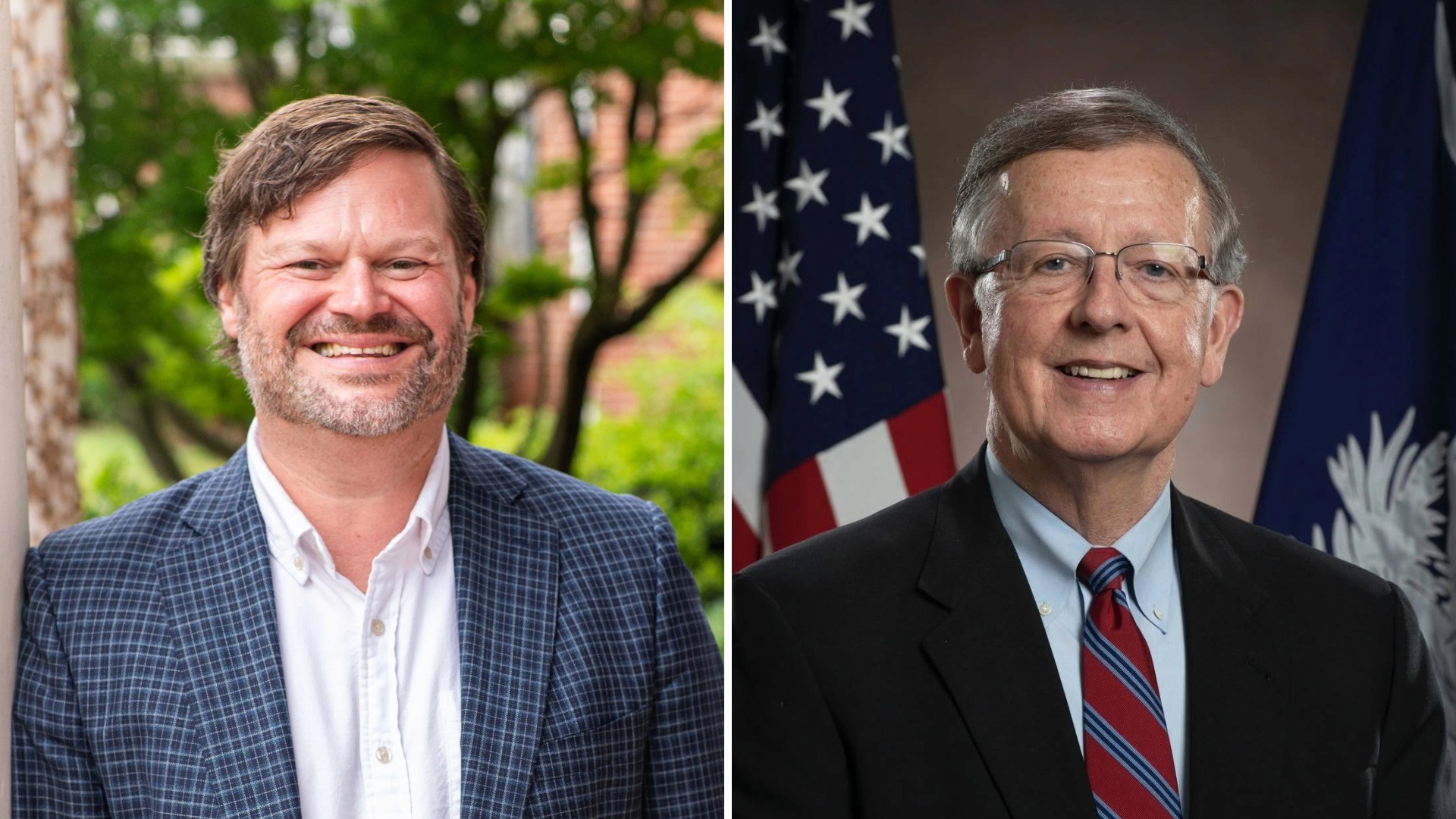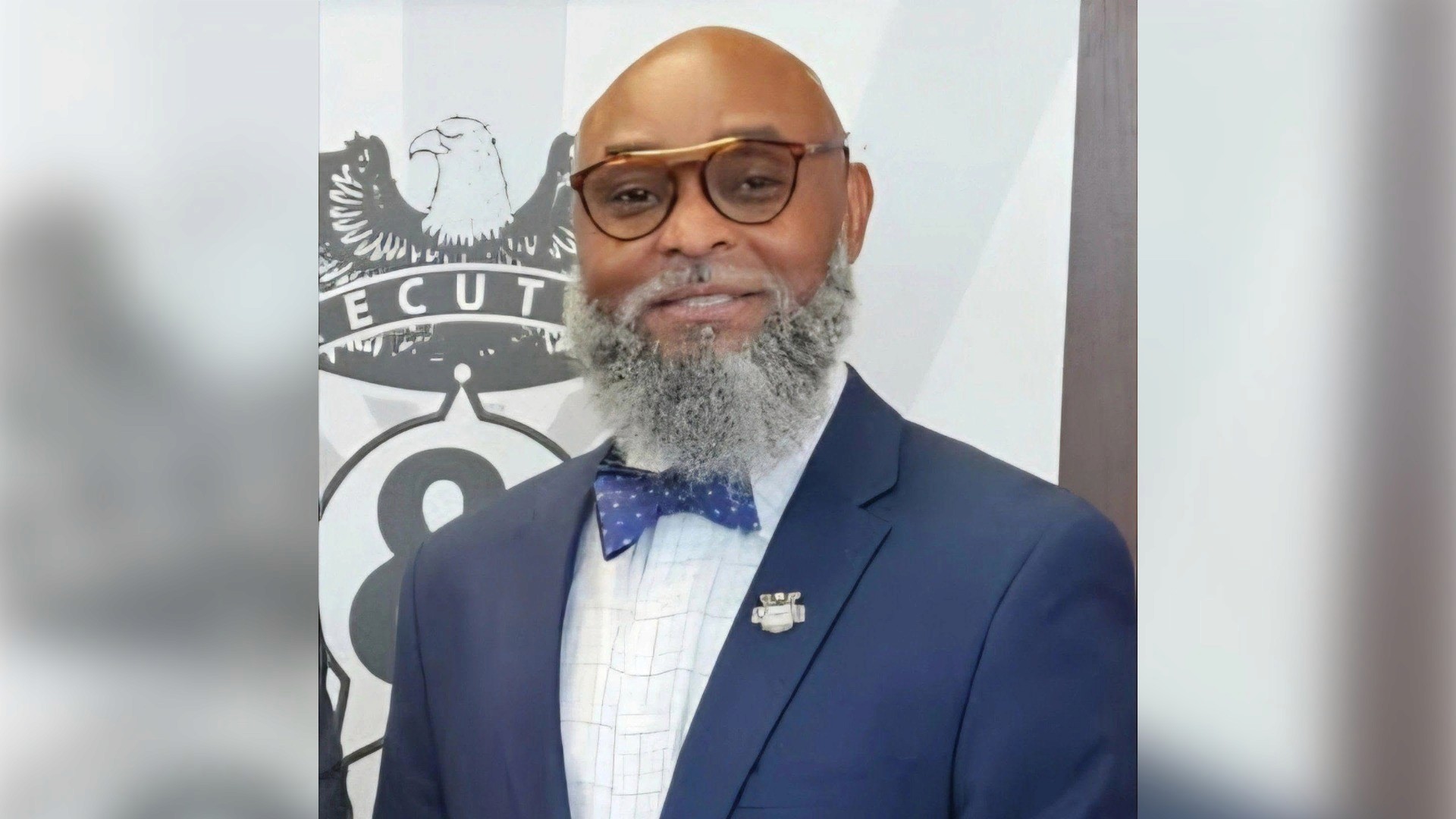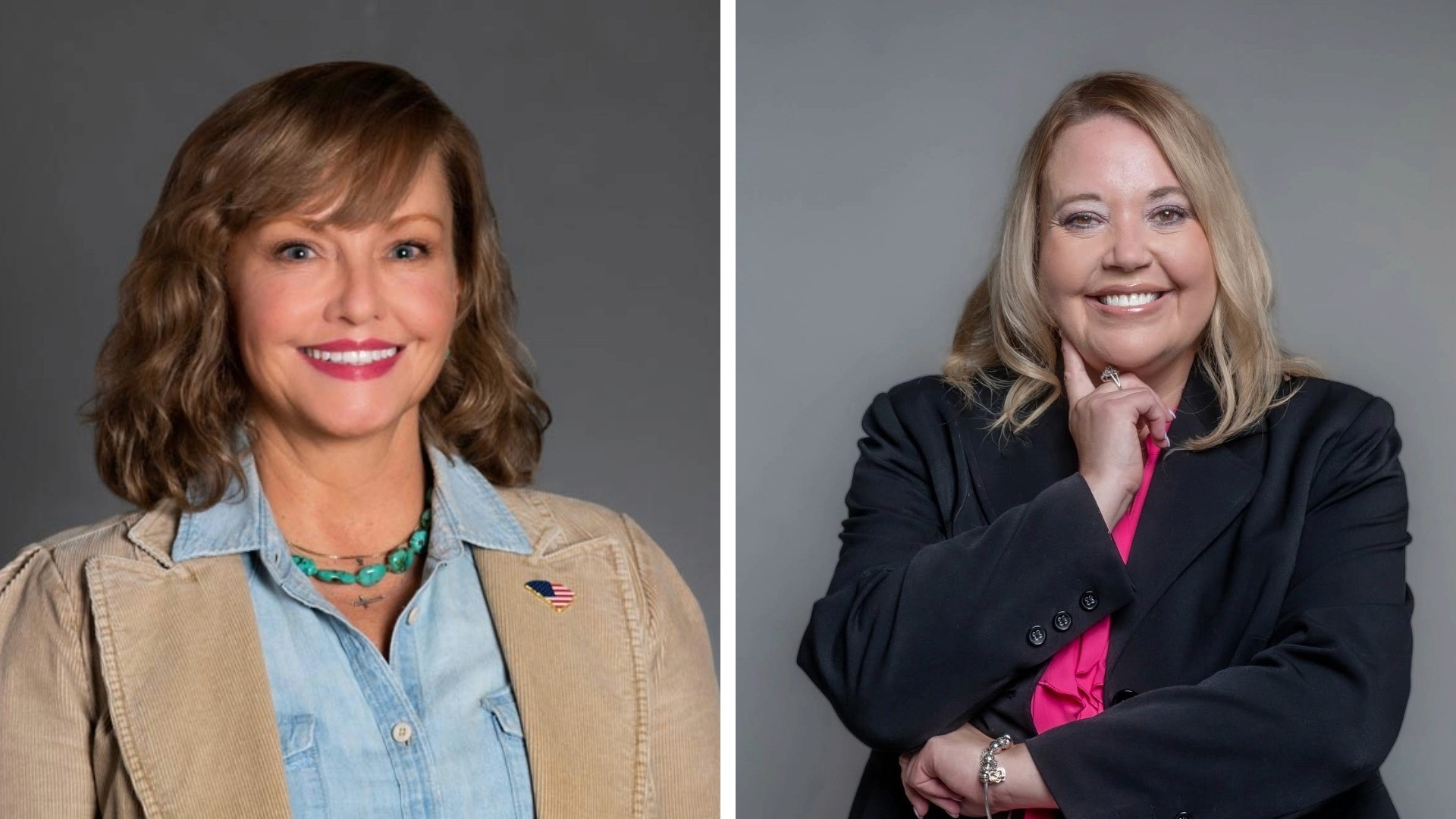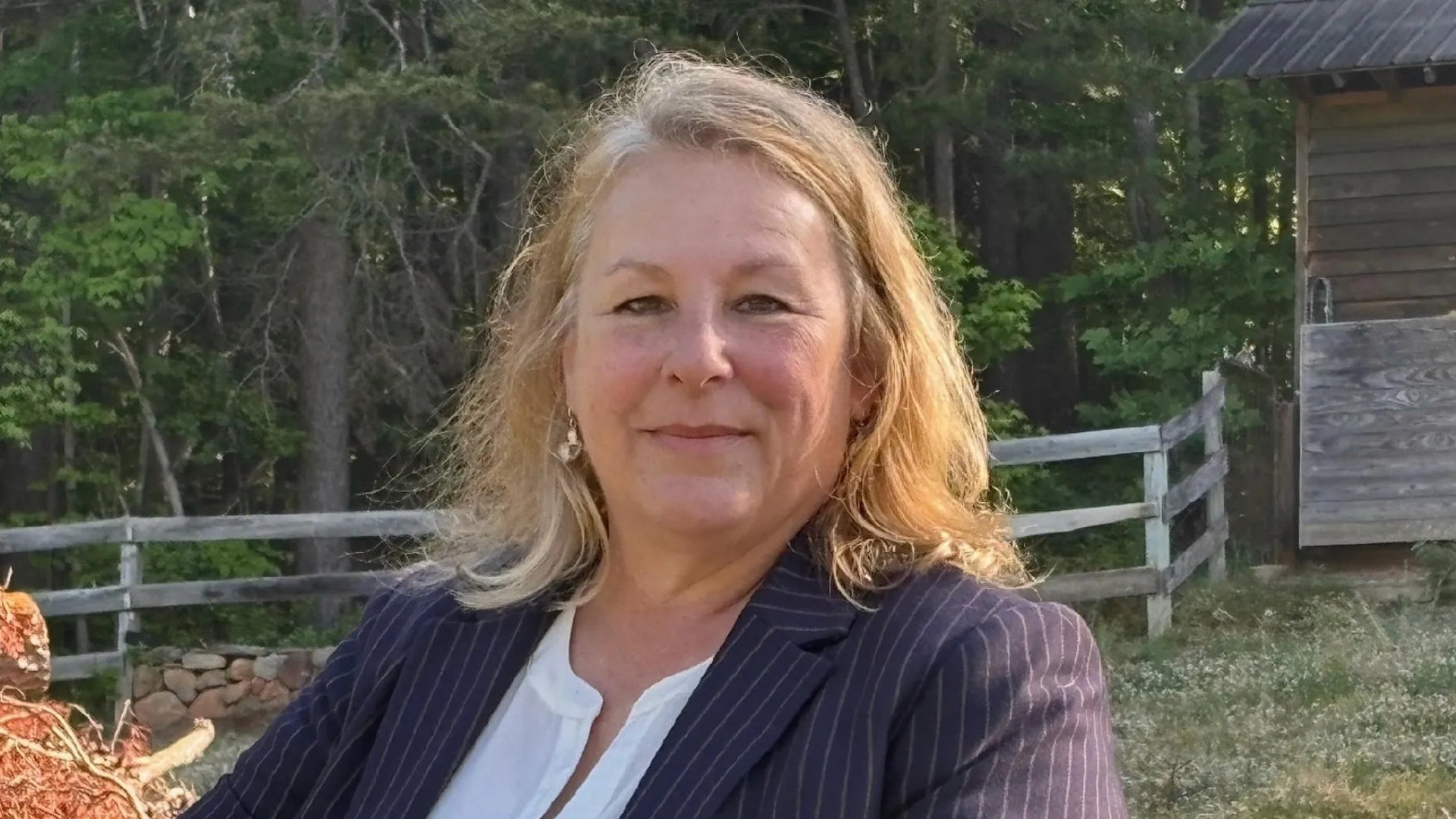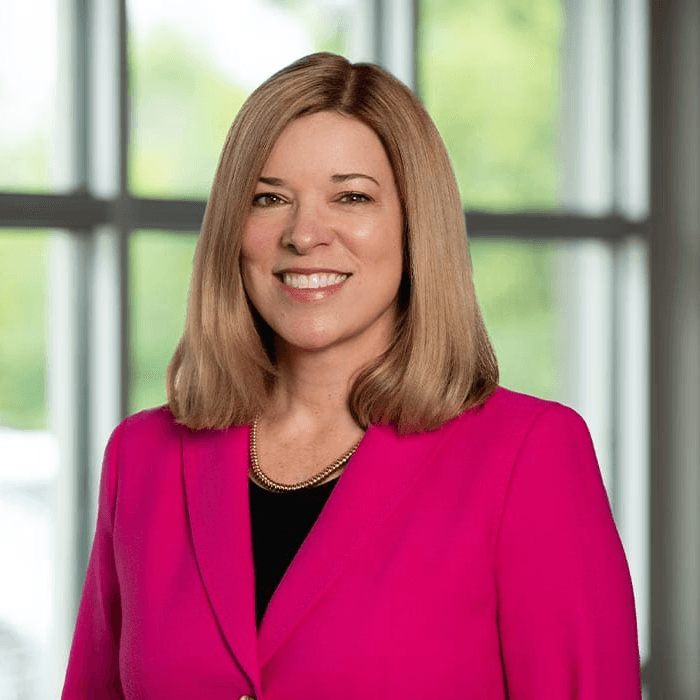
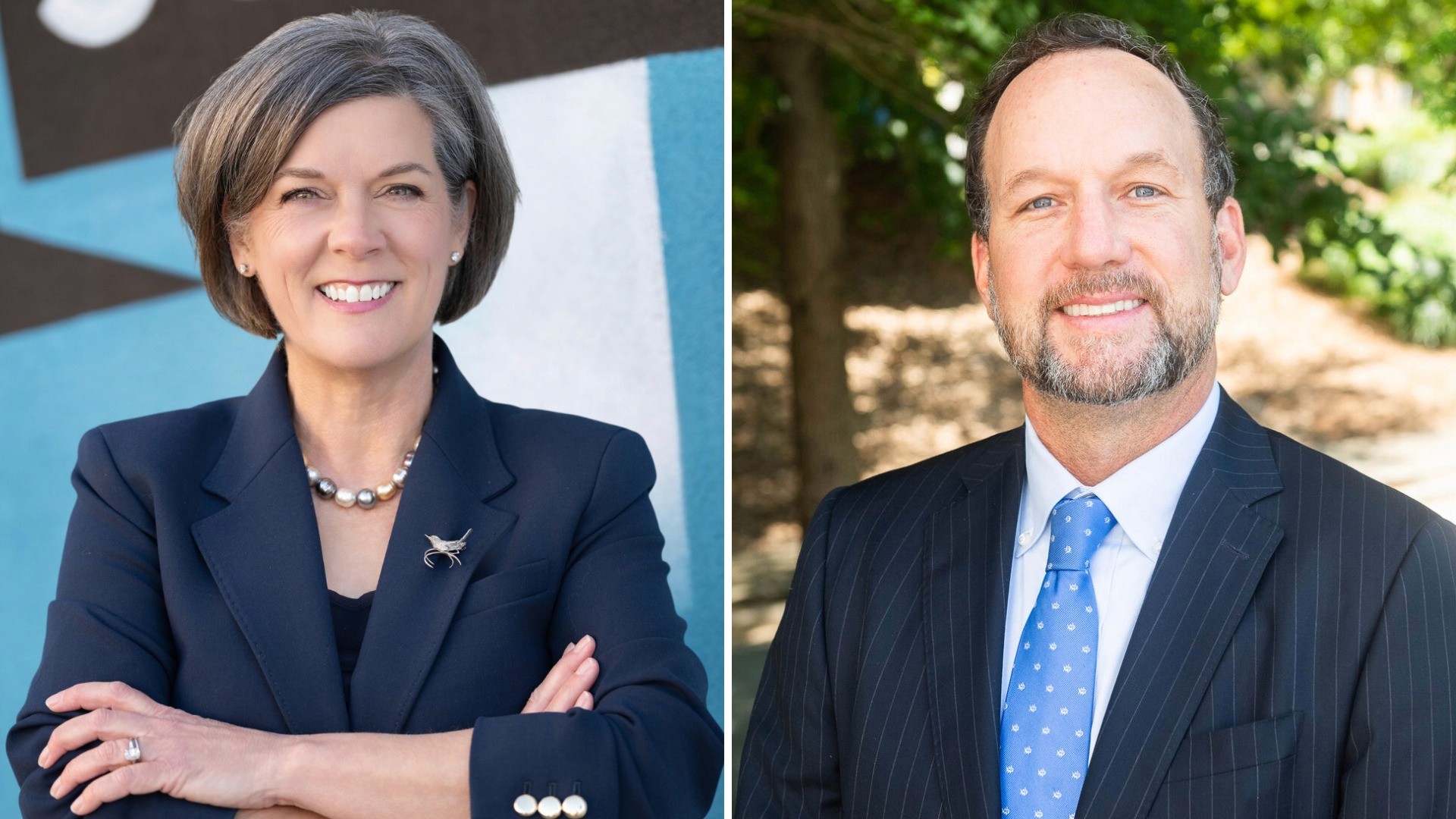
Who's running for South Carolina House of Representatives in District 24? Meet Caroline Avinger and Bruce Bannister, the candidates on the ballot in the November 3, 2026 general election. Hear where they stand on the issues facing voters, then share this episode with your neighbors before Election Day.
How the interviews worked:
All candidates received the same question at the time of their invitation to join us, and they were given 10 minutes for their interview. Candidates were allowed to bring along a companion, such as a campaign manager, family member, or friend, and to record our session themselves. There were no edits made to the interview.
Candidate links:
Introduction to District 24 Candidates
Katy Smith:
When you go to the polls on November 3rd or during early voting, you have the chance to vote for important offices such as U.S. Senate, U.S. Congress, Governor, and State House members. We want to help you get to know your candidates so you can make an informed decision.
I'm Katy Smith with Greater Good Greenville, and on this episode of Simple Civics Greenville County, we feature interviews with your candidates for State House of Representatives District 24, Democrat Caroline Avinger and Republican Bruce Bannister. District 24 currently covers central and southern parts of the city of Greenville and adjacent suburban areas.
Here's how the interviews worked. All candidates received the same questions at the time of their invitation to join us, and they were given 10 minutes for their interview. Candidates were allowed to bring along a companion, such as a campaign manager, family member, or friend, and to record our session themselves.
There were no edits made to the interview. We've put links to the participating candidates' preferred internet presence on the episode page. First up alphabetically is Caroline Avinger. I'm pleased to be joined by Caroline Avinger, who's running for South Carolina House District 24. Thanks for being here, Caroline.
Caroline Avinger:
Thank you for having me back.
Meet Caroline Avinger: South Carolina House of Representatives District 24 Candidate
Katy Smith:
Well, tell us about yourself and why you're running for this office.
Caroline Avinger:
Okay, well, I am a lifelong South Carolinian. I grew up in Sumter, and I've called Greenville home for 26 years, which is consequently how long I've been married to my husband, Mauldin.
We've raised two daughters here. One graduated from Clemson and is now at USC Law, and the other is at USC, so we have the whole divided house going.
For as long as I can remember, service has been really a thread that runs through my life. I grew up in a family where integrity, education, faith, and keeping your word weren't just ideals that we talked about. They were just simply what we were expected to do, to live by.
My dad had been a Marine, so that brought that whole ethos to it. And he went to Davidson. I also went to Davidson. The honor code there is paramount. It's woven into everything that the students do, and it really reinforced those values for me there, but then it's just filtered into that's how I live today.
I began my career as a public school teacher, before starting my own business with leadership and communications consulting. And in both of those roles, it's a lot about communication, about bringing people together, especially when I taught middle school, people who would not normally get along well had to get along well.
And one of the things, especially with this campaign, since the primary that I have really discovered that I enjoy is the whole campaign process. I am very much an introvert. At a party, I'm in the kitchen, or I'd really rather be home with a book. So I was a little concerned about knocking on doors and meet and greets and meeting all the people.
But it's actually been exactly the opposite. I have absolutely loved knocking on doors, meeting people across this district, hearing their stories, learning what's important to them, how much they care about this community.
And that has lit me up, just getting to talk to them, learning about them, and then seeing that there is this thread of, I love Greenville. I love where I live. I want to see it be the best it can be.
That has been part of almost every conversation I've had, and I have loved that. And it's also reminded me that this role that I'm running for is not about politics and partisanship. It's about building those relationships and knowing your neighbors well enough to really represent them.
Katy Smith:
Thank you. What do you believe is on most constituents' minds that you can address should you win?
Caroline Avinger:
So after all these weeks of knocking on doors and talking to people and having these meet and greets and events across the district, most of the conversations come back to really just a handful of items, but they're all interrelated.
The first is, of course, affordability, and that certainly looks different depending on who's answering the door when I knock on it. And I think one of the things that I have learned is that this district is really misunderstood.
People see District 24, they see certain neighborhoods with the beautiful homes, and we've got successful businesses running down Augusta Road, and they think that the district represents just a certain socioeconomic group. But what is really true of this district is that we have tremendous economic diversity here.
And we do have the families living in the beautiful homes, but we also have families who are living paycheck to paycheck. We have seniors who are on fixed incomes, young professionals who are moving back from school and want to live here and raise their families here and are concerned about affording a house. And then we have those people who are just one unexpected event away from a housing crisis.
So that is one of the things that does come up is housing, whether it's the young adults wanting to move back, whether it is families who are worried about rising rents and insurance costs, seniors who want to stay in their homes but are worried they can't afford to, or conversely, those people who want to downsize perhaps, or they want to move because their family is growing, but they're not sure they can move where they are so they feel stuck. Or the people who are just concerned that they can even afford an apartment to rent.
Education is another issue that comes up constantly. And part of that stems from housing. People need secure housing so that their students can show up at school and do the best that they can. But parents also want schools where their children feel safe, where they are being educated and prepared for the future.
The teachers, who are some of those young professionals who can't afford to live in the area, but are here working, they talk about spending too much time on paperwork and testing and unfunded mandates instead of actually teaching, which is what they are trained to do.
And we look at employers across not just our district, but across the state who want graduates who are ready to enter the workforce. And that means looking at our incredible technical school system and really coming alongside and supporting that, and those are some of the things that have come out in those conversations.
And then finally people want to know that their representative is accessible and is returning calls, explaining votes, spending time in the district talking to them. And while they don't expect their representative to agree with them in lockstep, they want to have those conversations.
They want to be heard. They want to be treated with respect. They want their opinions validated, even if perhaps it's not what ends up happening in a vote. It's about having that conversation that comes out of those relationships that are so important to build in a campaign.
And what I've learned is that none of these are separate issues, whether it is that person who's living in a multimillion dollar home or struggling to keep a roof over their head.
They just want leadership that focuses on the realities of their everyday life, of those things that get them from point A to point B every day, that make their lives better, and that make living in this community something that they can enjoy and share with their children.
Katy Smith:
Thank you. What would be your plans to address those constituent concerns and interests?
Caroline Avinger:
Well, with an eye towards time, I would focus first on affordability because that does have so many ramifications across the board. And I know that that word has become something of a buzzword, whether it's in a campaign or you're listening to someone on television, on the news, talking about affordability.
But it's really about making life in the day-to-day circumstances better for everyone. And it's not looking at it as a talking point, but how do we actually make it a reality?
A legislator cannot magically lower the prices of groceries. I wish we could. But we can absolutely make decisions based on what affects families' financial stability and that financial mobility.
We can decide whether more South Carolinians have access to affordable health care. We can decide to enact policies that help local communities address our housing shortages. We may not be able to enact the policies themselves, but we can come alongside our local communities and make sure that we are not enacting things that become barriers.
And then we can just, again, prioritize those things that are making life better for all South Carolinians. But it also means being smart about economic development. I want this state to continue attracting new employers and creating good-paying jobs, but we also have a responsibility to be good stewards of our taxpayer dollars as well as our natural resources.
So before we commit hundreds of millions of public dollars to a project, not being 100% sure where that project is going or what the back end of it is going to look like, taxpayers deserve transparency and accountability and confidence that that investment is going to deliver the return that we expect it to.
And then as we look at the industries that are such a hot button topic in South Carolina right now, like data centers, we do need to welcome innovation. We do need to look at what's going to bring economic growth to our state.
But we also have to ask those questions that people really like to shy away from about water use, energy demand, infrastructure, and the long impact terms on the communities that are here and the people who already live here. Economic development should not be measured just by the number of jobs that are announced when new industry comes in. It should also be measured by whether South Carolinians are better off 10, 20, and 30 years from now.
And it's about making decisions that strengthen our economy while protecting the people in the communities that call it home. And at the end of the day, my priority is serving the people of District 24 and the rest of South Carolina.
And I intend to do that by showing up and listening before making those decisions and communicating with constituents and being accountable to them. And I want them to understand that with me, they're going to have a representative who never forgets that this seat actually belongs to the people of District 24.
Katy Smith:
Well, thank you so much for joining us, and thank you so much for your willingness to serve.
Caroline Avinger:
Thank you.
Meet Bruce Bannister: South Carolina House of Representatives District 24 Candidate
Katy Smith:
Next up is Bruce Bannister. I'm pleased to be joined by Bruce Bannister, who's running for re-election for South Carolina House District 24. Thank you for being here.
Bruce Bannister:
Thank you for having me.
Katy Smith:
Tell us about yourself and why you're running for re-election.
Bruce Bannister:
Great. So I'm from Greenville. I married my high school sweetheart, Mary Margaret. We have four kids.
One is in the United States Army. He's a Ranger-qualified First Lieutenant at Fort Hood. I have a son who's just started medical school here in Greenville, which is exciting to have him back at home.
I have a junior at Clemson, my daughter, and then my last child, Caroline, is a senior at J.L. Mann. So kind of spread out, but a lot of fun, a lot of good stuff going on.
Why am I running for House District 24? I'm currently serving, and it's been an honor of a lifetime to be elected to represent House District 24. This is where my family is, my friends. And it's work that I've enjoyed and I love to do. So that's why I'm offering to serve again. And thank you. That's what we'll do.
Katy Smith:
What do you believe is most on constituents' minds that you can address should you win?
Bruce Bannister:
Okay, so when I go around the district and talk, it seems like one of the very first things is roads and infrastructure. The incredible growth we've had, the jobs, the innovation of the Upstate has brought a lot of people here. So there's a lot of concern about how we fund our roads.
Top of mind for every parent is the public schools and making sure we take care of those. Even folks who choose a different route, they know how important it is. It's something they want us to look after and make sure those are taken care of.
And then jobs. They want better jobs. They want the jobs here to be something that they don't have to worry about. So those three things are really top of mind.
The last is that they really want government to work better, more efficiently, take advantage of the technology that's out there and be efficient and predictable. And those are really the top four issues.
Katy Smith:
Thank you. What would be your plans to address those constituent concerns and interests?
Bruce Bannister:
So starting with roads, the obvious issue is money. In the last four or five years, we put almost a billion dollars of additional money on top of the gas tax into roads. So the DOT is putting pavement down and fixing bridges as quickly as they can, and they've got a really good long-range plan.
That's not the only issue. We also are trying to decouple them from some of the things that make those road projects last so long, cut the regulations, give them the ability to be creative in how they fund them. Because an eight-year project doesn't help anybody sitting in traffic today.
Schools, since I've been on Ways and Means, and I should have said this, my peers have elected me as chairman of Ways and Means. Since I've been on that committee, we've raised teacher pay 70%.
So the starting teacher pay today is $50,000. And every band up to the top band has gone up accordingly. So we're treating them more like professionals and getting those really qualified teachers in the classrooms, which I think is a critical piece for every school and especially the public education system.
Jobs, we continue to make investments in Greenville Tech, and we continue to really encourage the school district and the tech colleges to work together to help people get on a pathway to have a life-changing job. Just opened the welding center down at the Brashier Campus today, which was an incredible testament to when everybody comes together, you can really do something that's a game changer.
I think we'll be able to train 2,000 welders a year, which is an incredible change from where it used to be like 500. So that's exciting. And that's one of the things that's rewarding about being on Ways and Means is you get to make—it's a lot of work. There's not as much politics in it as you would think.
But it's a lot of work to look and see what the state has to spend money on, what the trade-offs are, and where you can make the most impact. And when you're addressing schools, that's one of those really high priorities.
So jobs, schools, roads, and then really government efficiency and having the government work like it should, I think that's something that people want to do. And we'll just continue to find those things where we have inefficiencies and then look at ways to address those.
Really not a lot of political party issue there. It's really just, hey, we have a problem. It takes a long time to get a septic tank permit. What can we do to make that more efficient and better? And how can we do that so that there's some predictability for those investors or homeowners who want to get an occupancy permit but can't because the state's taking too long to do it?
Katy Smith:
Thank you. We have a little bit more time. Is there anything else you'd like to share with listeners?
Bruce Bannister:
I would say this. 90% of the things that we work on in Columbia are really not partisan issues. They are real life problems, whether that's an insurance rate that's gone up on a bar or restaurant, or it's a regulation that's keeping somebody from expanding their business.
90% of what I do, I'm dealing with people who have problems where it doesn't matter what party you're in. It's really just about identify the problem, find a solution, and then make it happen.
And that's one of the great things about being on Ways and Means is you're in a position where you're actually writing the budget to solve those problems. And it's very rewarding, and I love it, and I would very much like to serve another term.
Katy Smith:
Well, thank you so much for joining us, and thank you so much for your willingness to continue to serve.
Bruce Bannister:
Thank you, Katy.
Credits
Simple Civics: Greenville County is produced by Podcast Studio X and is powered by BuzzyPod.
A Greater Good Greenville project.