This episode of Simple Civics: Greenville County is brought to you by Dolly Parton’s Imagination Library, providing free books to children zero to five throughout Greenville County. To sign up, visit greenvillefirststeps.org/freebooks.
What happens when a high school student testifies before South Carolina lawmakers about the foster care system? On Simple Civics, Derek sits down with Kate Purtle after her testimony at the Greenville listening session of the South Carolina Joint Citizens and Legislative Committee on Children.
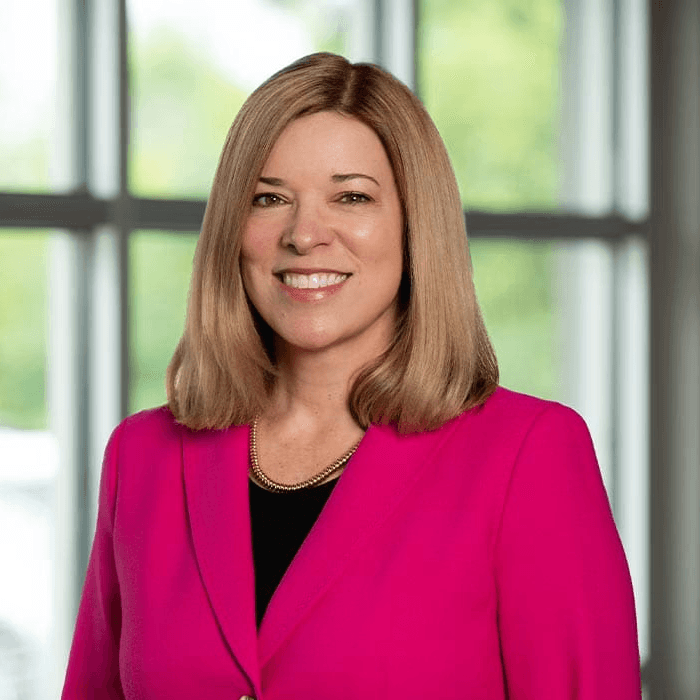
Kate Purtle is a senior at Christ Church Episcopal School and a member of YEA! (Youth Engagement Advocates), a group of current and former foster youth in South Carolina. Alongside the State Foster Care Review Board, she founded Fostering Feedback: Letters to Lawmakers, a platform where foster youth anonymously share their experiences so the most common concerns reach legislators.
Kate explains why speaking in person had more impact than email, how writing testimony beforehand makes public speaking easier, and what foster youth are reporting, from wanting to decorate a room in a group home to caseworker transparency. Her key finding: often the gap is not a lack of resources but a lack of education about the resources that already exist.
Resources:
Kate Purtle on Fostering Feedback (Children's Trust of South Carolina)
YEA! Youth Engagement Advocates (SC Department of Social Services)
How foster youth are shaping South Carolina policy
Katy Smith: When state leaders want to know how South Carolina's foster care system is truly working, the most valuable insights come directly from the youth living inside of it. At a recent Greenville listening session hosted by the South Carolina Joint Citizens and Legislative Committee on Children, Kate Purtle, a senior at Christ Church Episcopal School, stepped up to the microphone to share those realities firsthand. Through Youth Engagement Advocates and her initiative, Fostering Feedback, Kate gathers anonymous input from foster youth, highlighting everything from everyday needs in group homes to caseworker transparency and college financial aid. I'm Katy Smith with Greater Good Greenville, and on this episode of Simple Civics: Greenville County, we turn the microphone over to a conversation about the power of youth advocacy.
Derek Lewis, a Governor's appointee on the committee, sits down with Kate to discuss her testimony, what her feedback project is uncovering, and why showing up to address decision makers in person drives real policy change. Take a listen to hear Kate's perspective and discover how everyday citizens of any age can use their voices to make South Carolina a better place for children.
Why Kate testified before the Committee on Children
Derek Lewis: So, Kate, thanks for joining us today. I really appreciate you spending some time with us. So, we got to hear you give testimony at the Children's Committee in Greenville. So, maybe can you talk a little bit about kind of what led you to come and speak before six elected officials and eight department heads all, on a Tuesday night?
Kate Purtle: So I'm a part of a group called YEA! It's Youth Engagement Advocates, and it's a group of people made up of current and former foster youth in South Carolina. And so we come together once a month and we talk about advocacy. And so one of the projects they gave us was to write a testimony this year. So that was one of the main reasons I decided to come this time, but I testified back in April. But April was a little different. I had a longer time, so I spoke more about my story, and I spoke about Fostering Feedback, which is an initiative that I, along with the State Foster Care Review Board, founded.
And so basically it's a platform where foster youth can anonymously share their feedback about the system. And then we go through the responses, and the most common concerns and feedback that pop up are what gets shared with legislatures. So back in April I talked about that. It was more of just launching the initiative and telling my story. And this time I was able to come back and speak again and share just some more of that feedback. So it was really nice to be able to do that.
Derek Lewis: It was cool the number of people up there who had actually were familiar with the process that you used to share that feedback. So they were definitely paying attention to what the work you've been doing. Did you, how was it the second time? Like, were you more nervous about the time or the crowd? Was it easier the second time?
Kate Purtle: I would say it was definitely easier the second time. I'm not a huge fan of public speaking. I'm always really nervous about it, so it was nice to have that prior experience, and this time it was less time, so that also made it easier. And then I had some people from YEA! there watching, so that was nice to have some support too.
Derek Lewis: There was a lot of testimony about the foster care system and some of the things that could be done to improve it. There was testimony about waivers for tuition for foster care students and helping families have access to services. I mean, it was really neat to see so many different voices kind of speaking about ways to improve the foster care system. Did you feel like people were responding well to you? Did you think were they not as scary as you thought?
Kate Purtle: So I was scared that they were gonna ask me a question when I got up there, so I was like, oh no. But I mean, they did ask a—
Derek Lewis: Yeah. Yeah. This is all I want to tell you. I don't want you to ask me any questions. Yeah, yeah, I'm with you.
Kate Purtle: Exactly. But I got up there and they asked a question, and I don't exactly remember what it was, but it was definitely a helpful question, and I got put in contact with some people that will be able to help me, so that was a good benefit. And it was just showing that they were responsive toward it, so that was also very nice.
Derek Lewis: I think that is the coolest part for me, is when people give testimony and then somebody up there is like, oh, you should meet so-and-so. Let me connect you with that person. They can both help you on your journey but also would benefit from knowing that. And I think that's like, it's more than just like, we need you to pass this law, go do this. It's like, how do we build our network? So that's cool that that happened for you.
Advice for teens who want to speak up
Derek Lewis: So there are people listening who have high school children, and I'm sure they're thinking there is no way my son or daughter would ever give public testimony. What advice would you give to a parent or to a high schooler who is thinking like, I have something to say, but I'm not really sure that I'm able to do it?
Kate Purtle: I mean, it's always gonna be scary, but you have a voice, and if you have something to say, use it. It doesn't have to be at a legislature event like I did. I've emailed some of my representatives before. It can be something as simple as that. You don't have to go up and talk in front of a lot of people, but you can get in connection with other people that can help you. And if you do wanna speak, you can write it beforehand and you can bring it up there with you. You don't just have to make it up on the spot, so that makes it easier for some people, but that would be my recommendation.
Derek Lewis: Yeah. It definitely helps to have it written beforehand, cuz even when I get up there to give testimony, I like black out, like I can't remember what I'm there to talk about or what I'm supposed to say. So having it written down keeps me focused on kind of what the next words are that are supposed to come out of my mouth. Which do you think is more comfortable, like writing it out and sending it as a, would you rather be communicating with people electronically by email, or is public testimony, like, what advice would you give people who are choosing like how to get engaged with the public?
Testifying in person versus sending an email
Kate Purtle: I think it's really what you're comfortable with. I think emailing is great, but honestly I think going up there and speaking has more of an impact. You're able to get face-to-face with people, and I think that can oftentimes help a lot. Like I said, they put me in connection with other people, so that's helpful. And sometimes with emails it's easy to just get looked over. You're still doing something by emailing. But last time I emailed, I got passed along to someone else in the office, and then I just didn't really hear back. So it's definitely nice to get the face time, and even like some people in the audience might be able to help you.
I was walking out of there and someone stopped me and was like, if you could send me an email, here's my email address, I would love to help. So stuff like that definitely helps with in person, but if you're not comfortable with public speaking, emailing is also a great option.
Derek Lewis: Okay. So you've given testimony twice to the Children's Committee, which is a statewide entity. Have you ever given testimony before to like county council or to like smaller groups of people that are locally? Or did you just start with the state in your advocacy work?
Kate Purtle: The first time I spoke was back in April. I'd done like a city council, it wasn't even really a city council thing, it was more like a round table event with several different community groups, sort of. I've done one of those, but speaking, mainly it was just, April was the first time I'd actually spoken, and then came back and did it last month as well.
Derek Lewis: Okay. All right, so you're senior at Christ Church School. So you now are an expert at public speaking and advocacy work. What is next for you? What are you hoping to do next? Is there another group you need to get in front of, or what's—
Kate Purtle: I would love to just keep coming back to speak on the new feedback we get from Fostering Feedback. I think it's good to stay up to date with that feedback. There's always new stuff and everything we hear is important, so I think it's really a good thing to be able to have this platform that I can speak directly to the lawmakers in my state.
What foster youth are telling lawmakers
Derek Lewis: So tell us a little bit about Fostering Feedback. What are some of the things that you've learned from that, or what is some of the feedback that you've received that you've passed on that you think is kind of helpful?
Kate Purtle: So we hear things all across the board. Sometimes it's like, I want to be able to decorate my room in a group home. So it's small things like that, or it's other things like, I really want my caseworker to be transparent with me. I don't want them to hide things from me. One of the main things I spoke about last time was being able to find a gap between what policies are meant to do and how they're actually being received. So I got some feedback about how people were unaware of the Chafee services and other aid that foster children receive, so they weren't able to use it because they were not made aware of it.
So sometimes it's not a lack of resources, but it's the lack of education surrounding the resources that's the problem. So that's been probably one of the most common themes to come up, but there's also been like a lot of different things.
Derek Lewis: Is most of your feedback coming from foster youth who are in the Upstate, or is it kind of statewide? Like, what's your reach?
Kate Purtle: It's meant for anyone in the state. We've gotten a lot of Upstate just because of YEA!, it's a lot easier to communicate with them. A big issue is getting people to communicate, cause it is hard. I understand that people don't wanna share their stories a lot of times. So that has been a big issue, but when we do get feedback, it's mainly in the Upstate, but we've heard from all over South Carolina, and it's meant for anyone that's been affected by the South Carolina foster system in any way.
Derek Lewis: Well, Kate, I'm so glad that you were able to share what you're doing, and I'm really just so impressed with the advocacy work that you're doing for foster youth across the state. I mean, I think the lived experiences that these youth have is really important for legislators to hear about, so we can make better policies to help things. So I appreciate you having the courage to do it, and it's just such a privilege to talk to you about things that you're really passionate about. Thanks for all you do.
Kate Purtle: Thank you.
Credits
Simple Civics: Greenville County is produced by Podcast Studio X and is powered by BuzzyPod.
A Greater Good Greenville project.