This episode of Simple Civics Ed Talks is brought to you by InformEdSC.org, South Carolina's most comprehensive, non-partisan data center for critical information about public education. To explore district and state-level data on students, teachers, and funding, visit informedsc.org.
Simple Civics: EdTalks is sponsored in part by Greenville Federal Credit Union, founded in 1968 by nine Greenville County Schools educators, and today serving 35,000 diverse members across Greenville County. Greenville Federal Credit Union, join and prosper.
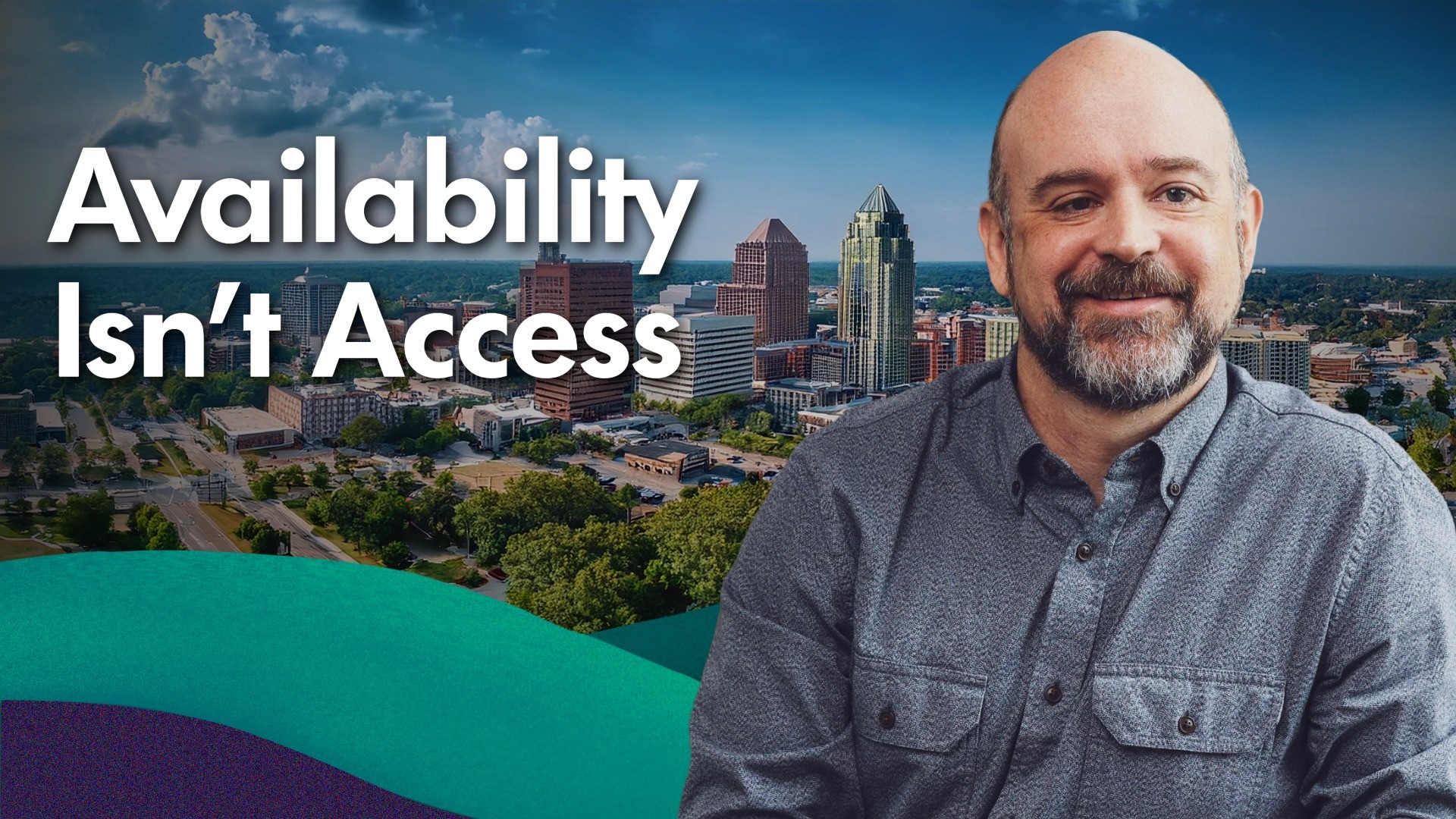
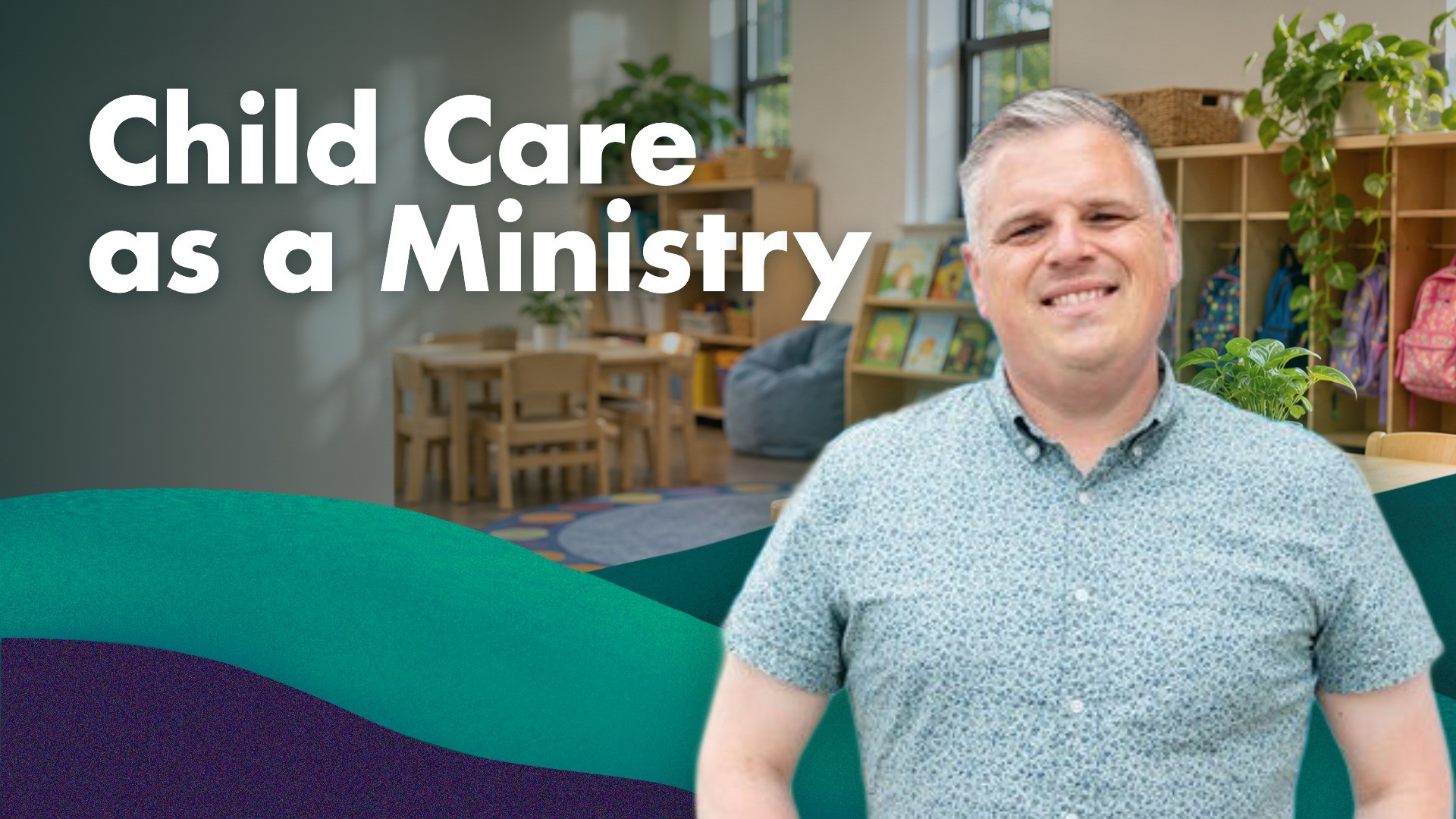
Can a church accept state child care vouchers and still run a faith-based program? Derek Lewis talks with a Greenville pastor whose church has run child care as a ministry for over 25 years.
David Snodgrass is Lead Pastor of HopePointe Church in Greenville, formerly Greenville First Church of the Nazarene, whose HopePointe Learning Center began as the Sonshine Learning Center. Before moving to Greenville, he was a pastor in Kershaw County and served on county council there.
David explains why DSS ABC vouchers and First Steps 4K have not limited the center's weekly chapel or its ministry to families. He walks pastors through what to plan for before opening a center: insurance, workers' compensation, and fire codes that put children 30 months and under in rooms with an exterior door. And with the state's child care workforce scholarships paused, he makes his case to Columbia that child care workers should automatically receive a child care voucher.
Episode Resources:
How a pastor found Simple Civics
Derek Lewis: David, thanks for joining us today. I really appreciate it. So tell us first, just tell us a little bit about HopePointe Church and your child care center. I feel like we dove right into work, and I would like to... I will say first, David mentioned to me early on, as a listener of the podcast, he had some thoughts. So long-time listener, first-time caller. Tell us a little bit about how you found Simple Civics, and then we'll get to the work part.
David Snodgrass: Yeah, glad to be here. That's true. Yeah. Yes. Right? I love that. Yeah, I found Simple Civics... Moved here over four and a half years ago, and my background is in local government. I was a pastor in Kershaw County and served on county council there, so I'm a little bit of a local government nerd, government nerd. And so moved here, was trying to like learn the lay of the land of politics in Greenville County, and came across the podcast. And yeah, listen pretty much whenever a podcast drop. So as I said earlier, I'm living the dream being on a podcast that I listen to, right?
Derek Lewis: We'll do an autograph session later, although the real stars of the podcast are not here today, so we'll have to have Katie mail
David Snodgrass: Yeah, that's right, that's right.
Derek Lewis: you her autograph. Yeah, this has been such a... I mean, the podcast really has been a really cool thing, because we have people contact us often to be like, "Hey, I think we should talk about the penny sales tax," or "I think we should talk about roads," or "We should talk about school board elections." And it's just a great way for people to learn about things that are going on.
David Snodgrass: Yeah. Yeah. Yeah, it's very inform... I share it with a lot of folks who are just like, "Hey, well, I wanna know about this," or "I wanna know about that." And I'll say, "Hey, this is this podcast. It's, you know, it's unbiased. It's just, this is the facts, you decide," you know, kind of a thing. So really enjoyed it.
Why HopePointe runs child care as a ministry
Derek Lewis: Alright, so you're here to talk about child care. HopePointe has on-site child care at the church. So maybe just as a pastor, like, just tell us a little bit about the child care setting at HopePointe.
David Snodgrass: Yes. Sure. Well, HopePointe Church, we are rooted in hope to help others experience a transforming love of Christ, and we feel like child care is a part of that mission. Our center has been open for over 25 years. It began as the Sonshine Learning Center as a ministry of our church. A few years ago, our church went through a rebrand. So we went from Greenville First Church of the Nazarene to HopePointe Church. And so with that, the Learning Center followed the brand. And for us, being able to be invested in the lives of families Monday through Friday, and then not just be a Sunday thing, is very key for us. And so the center's been there for over 25 years. Through daily routines, through Christ-centered instruction, we believe it's a ministry to our community. One of the things that we'd like to say is like, we wanna be for the Upstate.
And I think a part of that, or I'm convinced that a part of that, is providing quality, safe and affordable child care for families of the Upstate.
Derek Lewis: Okay. So when I talk to churches that don't offer child care, the first... they don't... many of them don't understand the link between a quality child care center on the church and the church's mission. So just, I mean, from your perspective, I know it was open before you got here
David Snodgrass: Mm-hmm. Yeah. Yeah.
Derek Lewis: What do you see as the link? Is it helping families be financially stable, or is there like a faith-based link to it? What's the connection for you?
David Snodgrass: I think it's all the above. Our families come from all different walks of life, and on the church, if I can speak to the church side of things, I mean, it's a really neat opportunity to connect with families who you wouldn't otherwise connect with. And even here recently, we've been able to kind of complete the circle, if you will, of a family who's a Learning Center family, who then decides to play sports through our sports ministry, who then decides to maybe attend a Vacation Bible School and then start attending church. So I say that just to kind of speak to the ministry, the pastoral side of this conversation of, hey, there is opportunity to invest in the lives of people through that. And then on the Learning Center side, I again, just providing that space for those families. And you talked a little bit about sometimes there's drawbacks on providing, working with maybe like ABC vouchers or with First Steps, you know, pre-K.
So state-funded vouchers aid. And for us, that's been very beneficial, because that's a part of us being able to reach into families who wouldn't normally be able to afford child care, and really in any space. And we found there's been no... there's no limitations on us being able to do our ministry the way that we choose to do our ministry, even though we're, you know, part of the vouchers.
Derek Lewis: Right. Right, sure. Right. Well, and that is interesting, because both the DSS ABC scholarships and the First Steps 4K scholarships are awarded to a family. And then the family is essentially given a list of like, "These are the places that take child care. Good luck, go find one." So that is just... so you are seeing families kind of cross your door that are looking for that immediate help with child care that maybe have never been to your church before.
David Snodgrass: Right. Right. Yeah, exactly. And we find that whether it's DSS ABC vouchers, and for the record, we're a fully licensed DSS child care development center, there's... I again, we've been able to administer it the way that we see fit. So our children's pastor from the church side of the house... I kind of describe our campus that we got two sides of the house. There's the Learning Center side of the house and there's the church side. It's one house, but so our children's pastor is engaged in the life of our students. They're in the Learning Center, they go to chapel every week. We have preschool chapel in the mornings, and then we have after-school care.
So you've got kindergartners through fifth grade that we pick up, and you know, they come to our center and they're doing chapel once a week. And then also, of course, the after-schoolers, they're there all day during the summertime. But we haven't seen any limitation to be able to minister the way that we're convinced that we need to minister to these families.
Derek Lewis: Sure. Mm-hmm. Okay. Okay. Okay. Okay. Okay, and that's one of the things that we hear often from a church that's maybe hesitant, is, "Well, we don't wanna, you know, offer secular child care. We're a faith-based organization, and we want our kids to go to chapel." And so it sounds like even kids who are receiving maybe a state or a federal scholarship, you're still able to be like, "It's our expectation that you go to chapel as part of this experience."
David Snodgrass: Yeah. Yeah. Yeah, 100%. And we tell parents up front, "Hey, this is who we are." Everyone's welcome to be a part of HopePointe Learning Center, right? And not every family comes from, you know, the Christian faith background, but they understand this is who we are. But it's because at the end of the day, our mission is to provide quality child care, and we have an awesome team of teachers and staff who, you know, for me, like, they are my heroes, right? We've got over 30 three-year-olds on our campus, and so my heroes are those teachers, you know, who are taking them to the playground, taking them to lunch, you know, learning colors, learning letters, all the things that come with child care centers.
Insurance, fire codes and exit doors
Derek Lewis: Yeah, yeah. Yeah. What do you think are some of the challenges that you would prepare maybe a pastor for, if they're thinking about on-site child care, maybe they haven't considered? I know one we hear a lot is insurance costs, and there's some costs that kind of are going up that churches are now having to absorb. What, any other challenges that you kind of see on the local level?
David Snodgrass: Right. Yeah, I would say insurance is a big one. So we have, you know, a large umbrella policy for our whole campus, our whole ministry. Obviously, there's an increase in that. You get into workers' compensation, all those things. So something to take into consideration, right? I'm not saying it's should keep anybody, it's just being aware. Scripture even says, it's "consider the cost," right, of what you're called to do, right? But also believing, as Christians, you know, we believe that if God's called us to this, then he's gonna equip us to do this, to accomplish. So insurance, fire codes, like, I came in and learned a lot about... if a child is 30 months or under, they've gotta be in a room that has an exterior door, that has immediate exterior access, you know, in case of a fire. So things like that.
So you'll... a church would wanna walk through their building, triage it, figure out, okay, this room is suitable for this age group, this room is gonna need some construction, it's gonna need access to the exterior, things like that.
Derek Lewis: Those exit doors, I mean, it's amazing to me the number of phone calls I get about exit doors, and it is the one surprise. In fact, I was just meeting with the church last month that the church decided, "Yes, let's add another infant room." And they did not realize that, like, "Oh, that means I need to knock a wall out to put in a door," and they weren't prepared for that.
David Snodgrass: Yes. Yes. Yeah. Right. Right. Yep, they gotta be able to roll those cribs out a door and not go through any stairs or anything. Right.
Derek Lewis: Yeah. Yeah. Yeah, all the child care facility challenges can, especially for older buildings, which, you know, a lot of our churches are kind of those old cinderblock buildings. It is kind of hard to envision, like, "We've gotta knock out a wall here to put a door and an awning on it."
David Snodgrass: Mm-hmm. Yeah, yeah. Right. And I'll say we're blessed. Our center actually started through a vision of a lady in the pastor at the time who had experience in that. And so they started in our gymnasium, had partitions, and, you know, so I hear stories that they'd walk into the gym and there'd be four or five classes sharing in the gym, but through partitions. And so then we were blessed to be able to then build an addition to the campus that was suitable for that. But I would encourage any pastor, I mean, a lot of church buildings are... they got a lot of real estate, and maybe the church isn't what it once was, or the ministry model is different. Take a look at your building, and it very well could be that you're equipped and have the space to be able to pivot and transition to this child care ministry.
Derek Lewis: Yeah, yeah. And we definitely have some partners here that can help with that, so if any church is kind of thinking about it, we can put them in touch with the church or with the folks from the Shared Services Alliance.
The ABC voucher pause and child care workers
Derek Lewis: Alright, so you have some previous experience on county council, and I think you, as well as I on the school board, know that that means 95% of the decisions are made in Columbia, not here. So if you could go to Columbia to represent all the faith-based organizations that all are considering child care, like, are there policy changes in Columbia that you wish, like, "Gosh, if you guys would just do these couple of things, it would make my life so much easier"?
David Snodgrass: Mm-hmm. Sure. Sure. Mm-hmm. Right. Yes. Mm-hmm. Yeah. Yeah, one, I wonder to you... well, it's probably, the list is getting even longer than that, but one that stands out is, you know, all child care centers, we've had to pivot here in this last couple of months because of ABC funding. Everyone's aware, DSS runs the ABC vouchers through federal funding that comes down, and up at the federal level, they're having conversations about how to use that money and maybe to use it differently. And so that's kind of put a wrinkle in some things, and...
Derek Lewis: Yep. These are the DSS workforce scholarships.
David Snodgrass: Yes. Yeah, I thank you for...
Derek Lewis: And just for those maybe who aren't familiar with it, so in South Carolina there was $200 million a year that was going into these workforce scholarships that was primarily COVID dollars, and the COVID dollars went away, and the bucket of money dried up, and there wasn't $200 million to refill the bucket. So they did what they called a pause, but it's been paused for nine months, and I don't see it being unpaused, 'cause I don't know that the General Assembly's gonna put money. But that has caused a real
David Snodgrass: Right. Yeah. Yeah. Yeah. Yeah. Yeah. Right.
Derek Lewis: disruption in service for child care providers, particularly those who maybe didn't know these dollars were limited dollars. And so they, you know, maybe built a business model around 50% of their kids being in poverty, and now 50% of those kids can't pay. So yeah, I mean, that's a huge impact on a church's bottom line.
David Snodgrass: Mm-hmm. Yeah. Right. Yeah, so I mean, I think if I go to Columbia, it would be, hey, how do we make this... have the state have a little bit more of a share in that? Because being in child care, I've learned the old adage, right? We don't... I mean, society can't work without child care, right? I think it's probably said better by other people, but that's the gist of it, right? But then I also think about my teachers, our teachers on our campus. So the reality of the economics of running a child care center is, in order to keep tuition affordable, because you're paying for food, you're paying insurance, building costs, all that.
We... teachers, the average
Derek Lewis: Yep. Yeah.
David Snodgrass: wage for a child care worker, a preschool teacher, I mean, you're looking at $15 to $16 an hour, right? Some maybe a little higher, but some a little lower, but that's, you know. So a lot of our teachers, they were qualified for those ABC vouchers. And so it was a huge benefit to be able to say, "Hey, love to give you a job, you're a great team member." But it's usually a younger mother who has kids of her own, and she's like, "Hey, I'd love to come work for you, but I've got kids, my own kids who need child care." So we were able to...
Derek Lewis: Mm-hmm. Yeah. These are employees in the child care center that qualify for ABC vouchers, so they lost their voucher.
David Snodgrass: Yeah, the employees of the child care center. Yeah, they lost their voucher. And so now we're, as an employer benefit, we're offering at a deep discounted rate, obviously, because they're a great team member. We gotta have them, we wanna have them. So I would love to go to Columbia and talk about what does it look like for an employee of a child care center to automatically receive a child care voucher or a child care scholarship. Yeah.
Derek Lewis: So just make them a protected class, just like homeless children or families.
David Snodgrass: Just make them a protected class. Like, if you're willing to serve our community through child care, then what we can do is reimburse, you know, pay for your child to be... whether it's at that center, I mean, we can... that's another podcast, right, to talk about those details.
Derek Lewis: Sure, sure, yeah.
David Snodgrass: Because, and this may be a bold statement, I would put a child care worker in the same category as a critical employee for our society, maybe even a first responder, right? These are people, these are individuals who are committed to a mission of loving kids, caring for kids, so that others can go and pursue their career and can, you know, be a part of a working society. They're taking care of our kids, and I...
Derek Lewis: Mm-hmm. Yeah.
David Snodgrass: They're extremely valuable, but the economics of it doesn't allow us for the wage to match that reality. So I'd love to talk to Columbia about some sort of a voucher program for those who are willing to work in child care.
Derek Lewis: Right. I mean, that makes a lot of sense. I mean, you're right, like, if you see it as a service and not as a business, then, you know, we need these providers to have these classrooms open, and to do that they need employees, and if those employees have to pay for their own child care, it costs more than the salary they're making at $17 an hour. So we've got to offset those somewhere. In North Carolina, they have a wages program where they actually... so let's say that your teacher makes $17 an hour. If they work in a high-quality center, they get a supplement that's $2 or $3 that's tacked on to that, so you get an additional wage that comes straight from the state. And so that's one of the ways they're trying to offset those lower salaries, because what we know is that child care centers can't charge much more, families already can't afford it, but they aren't charging enough to pay their people $25 an hour. And so how do we kind of boost those wages, maybe at the state level? But offsetting their child care costs would be a huge one.
David Snodgrass: Right. Right. Yeah. Okay, yeah. Yeah. Right. Yeah, and I will say, for a legislator that is listening, 'cause we, you know, I know the General Assembly listens to Simple Civics, right? If not, they should be. Arkansas does this, pretty sure Kentucky does this, you know, and so I mean, I think it would be, for me, it would be low-hanging fruit to be bipartisan, making impact in your community. So if any legislators listen, I'd love to sit down with them. Let's talk about it. I will, you know, I'll be in Columbia once a week lobbying, if we can get something like this on the table.
Derek Lewis: Yeah. They should. Okay. Alright. Yeah. Yeah. Well, we'd be thrilled to help you. I really appreciate your time today, and thanks for all you're doing. It is really such a challenge to see a church as a ministry in the community, and to see child care as something that isn't a whole lot of extra work but is actually a part of that ministry, and there are a few churches that have really embraced that like yours, and so thank you for that.
David Snodgrass: Yeah. Amen. Yeah, yeah, well, it's our pleasure to be a part of the community.
Credits
Simple Civics: Greenville County is produced by Podcast Studio X and is powered by BuzzyPod.
A Greater Good Greenville project.