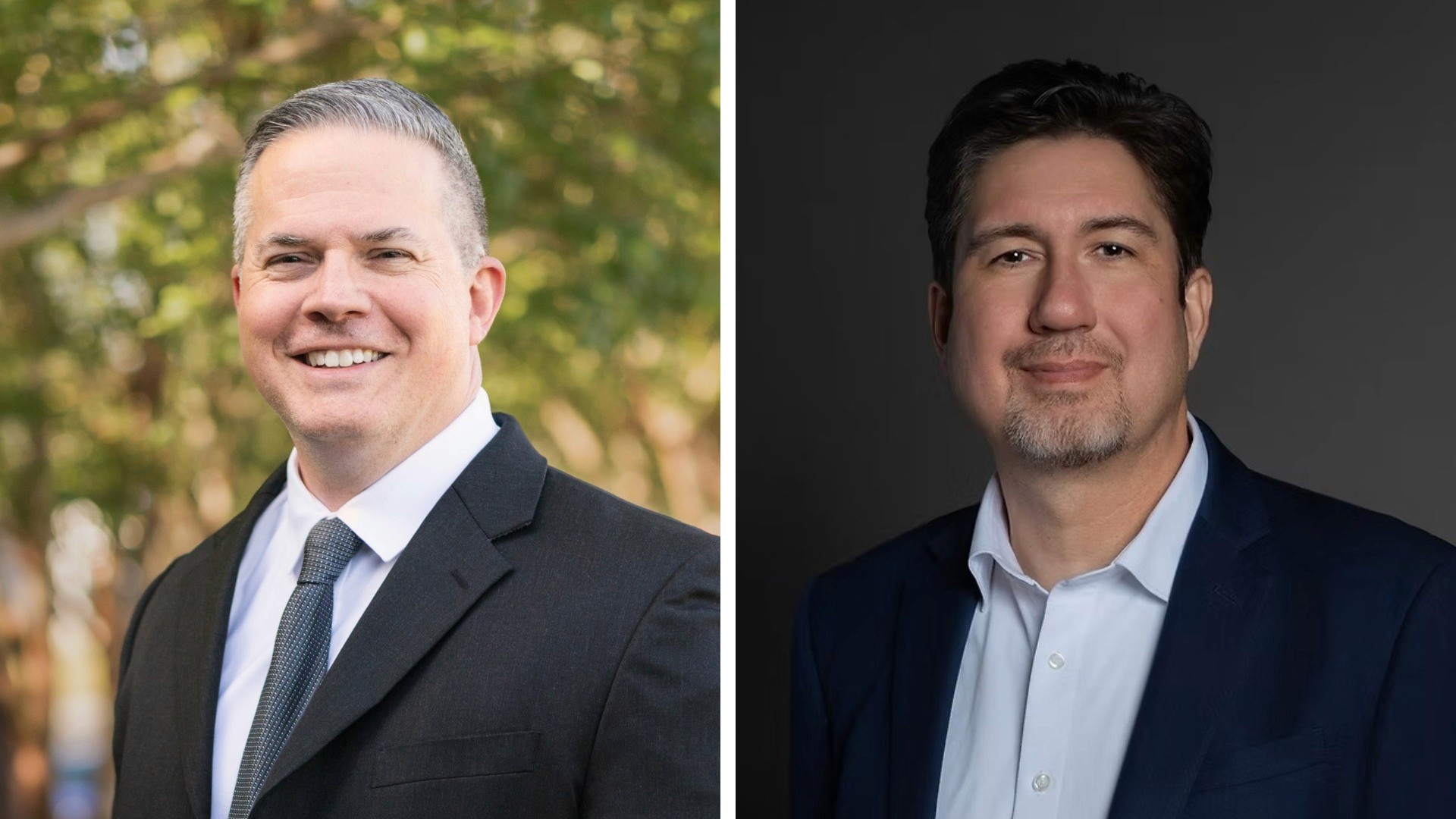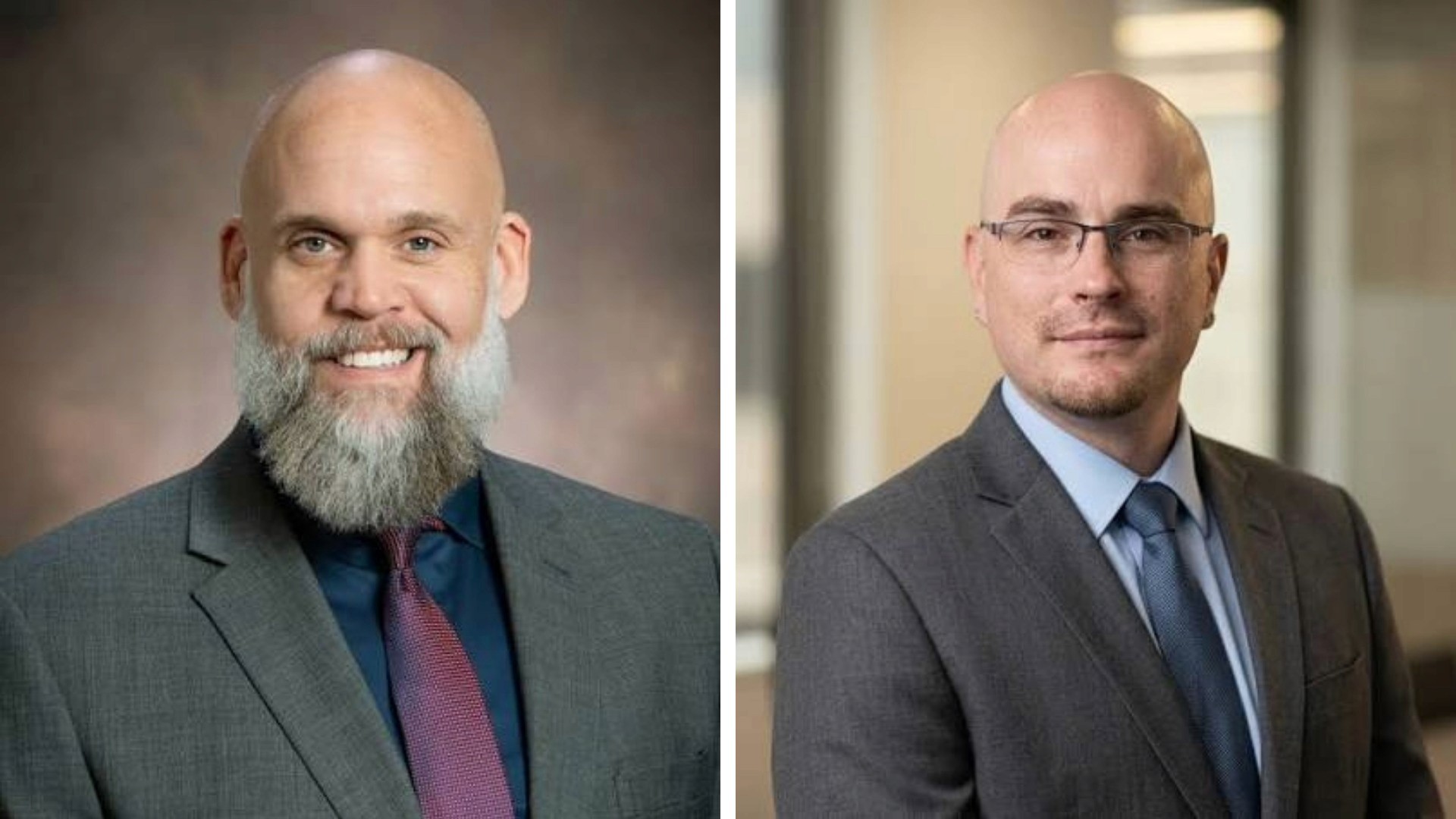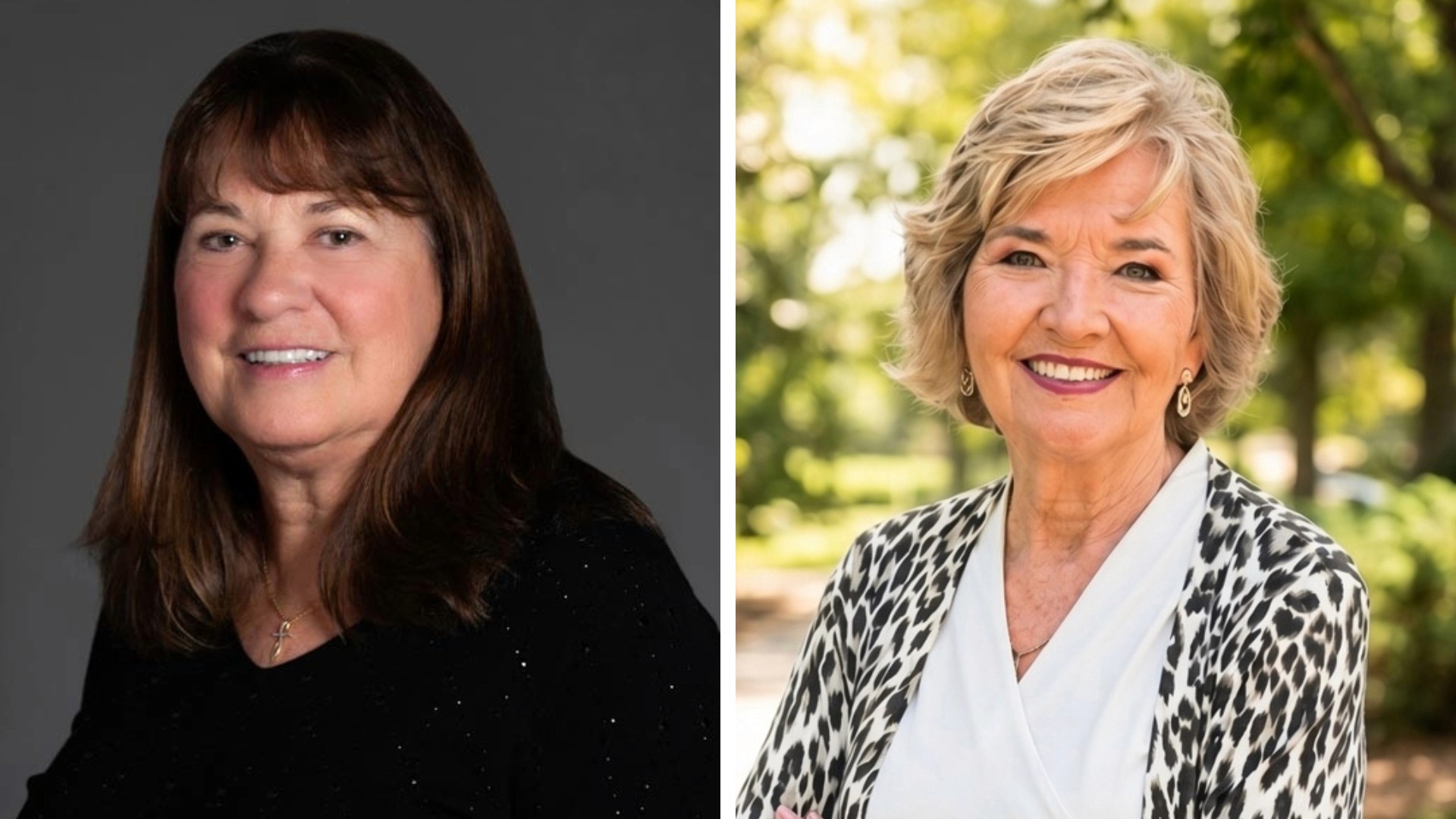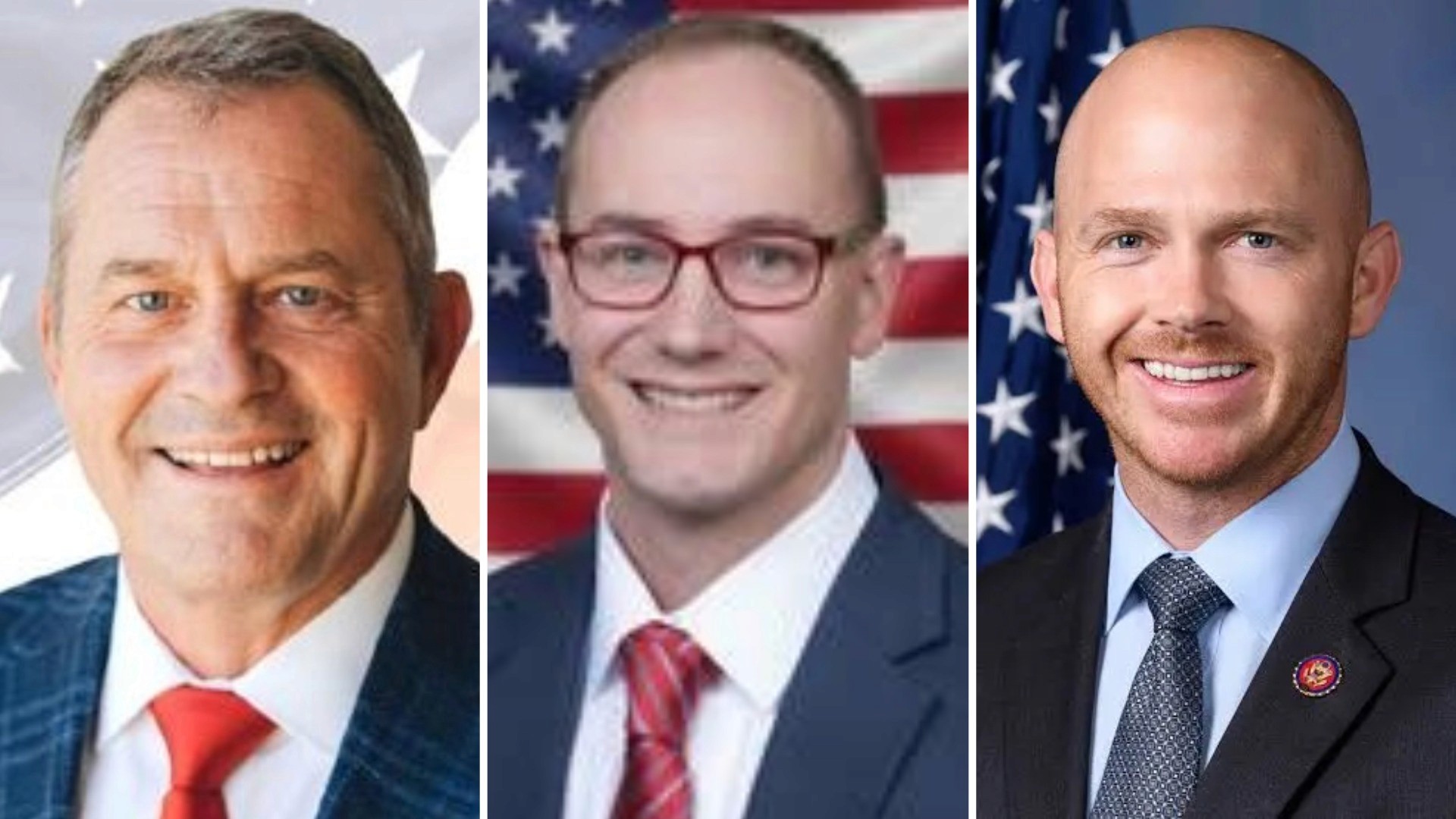
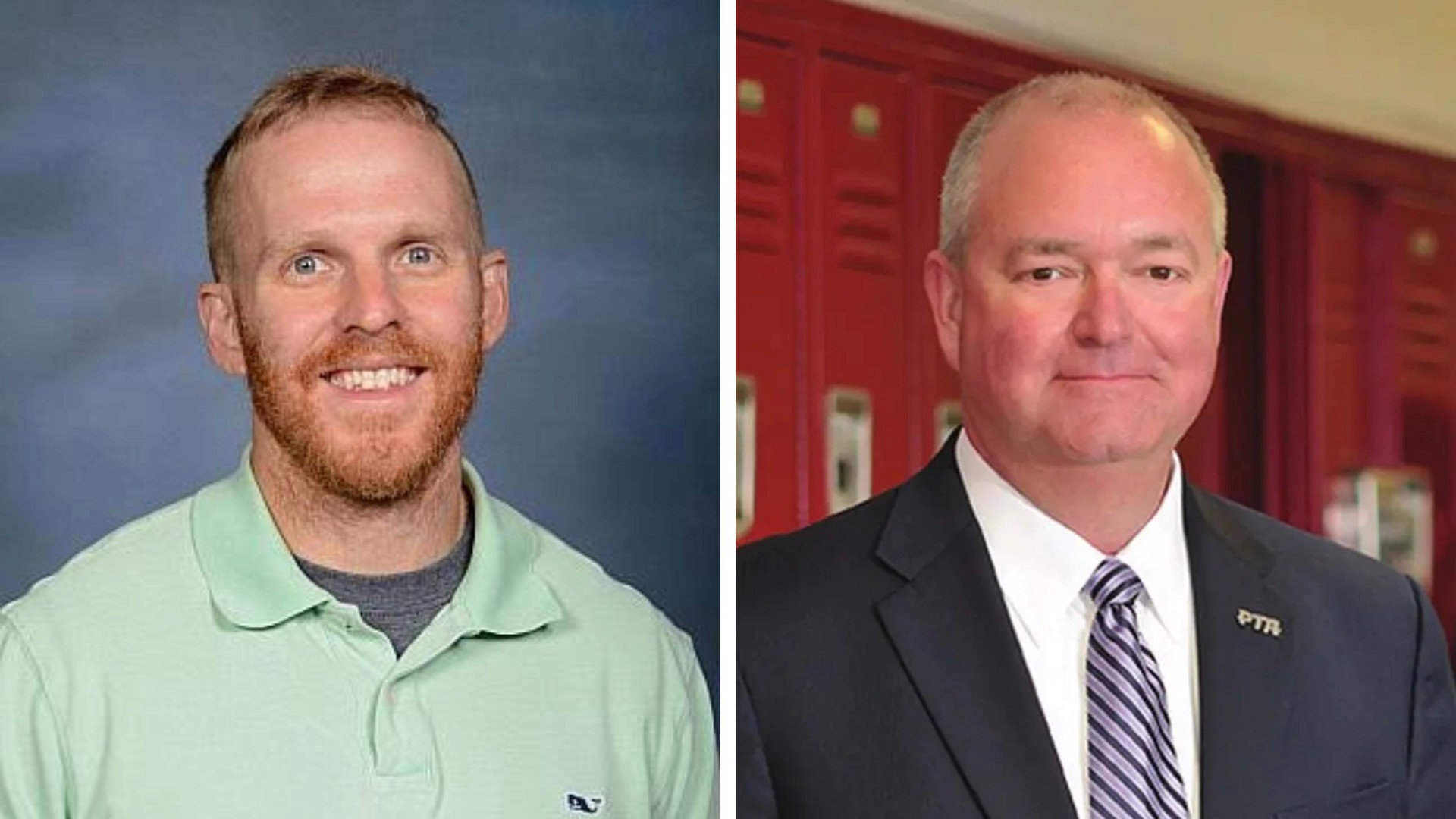
Who's running for Greenville County School Board in Area 20? Meet Robert Giles and Chuck Saylors, the candidates on the ballot in the November 3, 2026 general election. Hear where they stand on the issues facing our schools, then share this episode with your neighbors before Election Day.
How the interviews worked:
All candidates received the same question at the time of their invitation to join us, and they were given 10 minutes for their interview. Candidates were allowed to bring along a companion, such as a campaign manager, family member, or friend, and to record our session themselves. There were no edits made to the interview.
Candidate links:
Introduction to Greenville County School Board Elections
Catherine Schumacher:
Every two years, half of Greenville County Schools' Board of Trustees seats are on the ballot. Would you go to the polls on November 3rd or in early voting? Those of you living in the even-numbered school board areas will have the opportunity to cast your ballot in these critical, nonpartisan races to select the leaders who will help shape the future for one of our most important community assets, our public schools.
Here in Greenville, school board trustees play a critical leadership role. They develop and approve high-level policies, they approve the annual operating and capital budgets, and hold taxing authority to meet important priorities. They also oversee the hiring and evaluation of the district superintendent. School board trustees help hold and trust our community's vision for schools that serve the vast majority of the school-aged children, a powerful responsibility.
Catherine Schumacher:
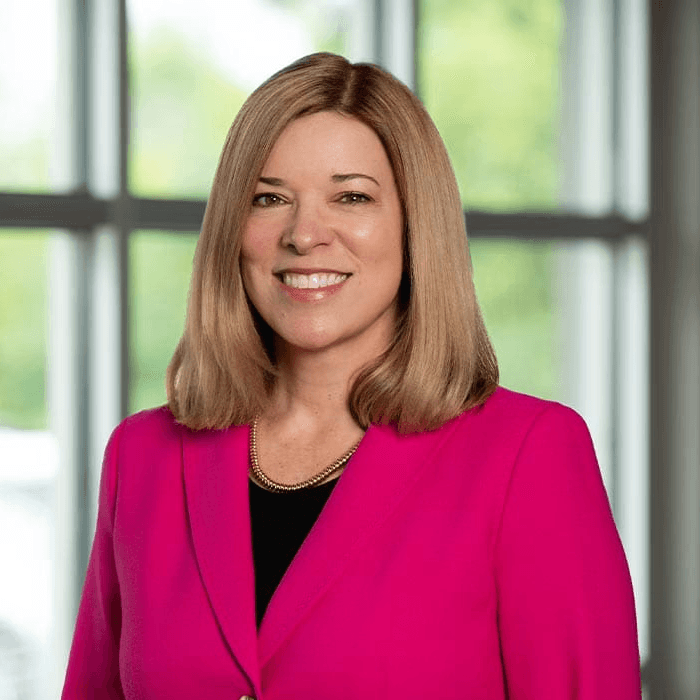
I'm Catherine Schumacher with Public Education Partners, and on this episode of Simple Civics Ed Talks, we are pleased to be part of the Simple Civics Greenville County commitment to candidate interviews for all of the contested seats on your ballot in November.
Here's how the interviews worked. All candidates received the same questions at the time of their invitation to join us, and they were given 10 minutes for their interview. Candidates were allowed to bring along a companion, such as a campaign manager, family member, or friend, and to record our session themselves. There were no edits made to the interview. We've put links to the participating candidates' preferred internet presence on the episode page.
Today, we feature interviews with two of the three candidates for Area 20, Robert Giles and Chuck Saylors. A third candidate, Bennie Cantrell, did not participate in an interview, despite multiple attempts to schedule one. District 20 includes much of Taylors along with other areas on the east side of Greenville.
First up alphabetically is Robert Giles. Well, I'm pleased to be here with Robert Giles, who is running for Greenville County Schools School Board in Area 20. Robert, thank you so much for being with us today.
Robert Giles:
Thank you for having me.
Meet Robert Giles: Greenville County School Board Area 20 Candidate
Catherine Schumacher:
First up alphabetically is Robert Giles. Well, I'm pleased to be here with Robert Giles, who is running for Greenville County Schools School Board in Area 20. Robert, thank you so much for being with us today.
Robert Giles:
Thank you for having me.
Catherine Schumacher:
So please tell us a little bit about yourself and why you are interested in serving on the school board.
Robert Giles:
I grew up in Baltimore, Maryland, and I've been a teacher for 17 years. I just retired or took time off a year ago. I was at Travelers Rest because we have three kids now. The youngest one's right here; you guys might hear them in the background.
I've taught all over. I taught in Baltimore after I finished my master's at James Madison, then I went to D.C., then I went to Cleveland, and then we moved down here. I did a year at Legacy during COVID, which was a crazy time for everybody. And then I've done the last four years at Travelers Rest before retiring or taking time off to be with the family.
I've wanted to run. My mom was on a school board where I grew up. My grandma was an English teacher. One of my older brothers is a math teacher, and I was a history teacher. I wanted to run because I feel that so much is dictated top-down, and the classrooms seem to suffer the brunt of it. Whether you want to say that's the students or the teachers, whatever that is, I think they both suffer.
I've seen it. I've taught middle through high school in public, private, and charter across four different states and territories, if we count D.C. as a separate state. The same problems keep appearing because the way they rank schools and look to say these schools are being super successful is just flawed data, and they're manipulating the data.
I can give you a concrete example in Howard County, Maryland. My mom might get mad for saying this, but she tried to fight against it when she was on the school board. Howard County, Maryland, and Montgomery County, Maryland, have sometimes been ranked the number one county for education in the country based on the publication you look at, and they base that solely on graduation rate.
What they've done is they've fudged the system, which makes it mathematically impossible for a student to fail. They have three grading categories: formative, summative, and homework. Formative and summative are 50% and 40%, and the lowest a child can get is a 50%. On homework, they have to get 100% if they attempted it. So a kid can get every math question wrong on their homework and they get 100%.
What happens is, yes, you do have tons of kids doing the right thing, but you also will have kids gaming the system, and that's just going to happen. You can't deny that. Kids are kids. Adults will do that too. If adults have a job and know the boss is supposed to be here at nine, but after two months on the job they see he doesn't get there until 11, other people around them start coming in late. They've noticed no one gets in trouble, so they're going to do the same thing.
It's not saying kids are bad. People will get away with what they can get away with. The system in Maryland and most of these school districts results in a 94% graduation rate, but it's almost mathematically impossible to fail. You could fail every test and quiz. Tests and projects are summative, quizzes and checks are formative, and you just get a 50%. So you're at 50%, and then you get 100% on your homework. You automatically get 100 if you put your name on it. That was the thing: you can't check it for accuracy. The teachers were told no.
The kids caught on to that pretty quick: "Oh, I forgot to do my homework. Name, 100." We've all seen movies in the '80s and '90s. I remember growing up seeing kids trying to do homework last minute on the bus, which was bad. Well, now the problem is exacerbated and exponentially worse because they're not even attempting to do it on the bus to learn it. They're just turning it in with a name, all completely wrong.
Catherine Schumacher:
What are the issues you believe are most important for school board members to focus on in this moment?
Robert Giles:
I think the number one issue is you have to listen to parents and you have to listen to teachers. They're both in there, and as a parent and a teacher, I think they are equal players in a child's education. You should always listen to parents because they are raising them, and the teacher is only seeing them 45 minutes a day, five times a week.
Sometimes teachers will overstep in the sense of saying, "Well, you didn't raise this kid. You weren't there when they were sick as a one-year-old and a two-year-old and up all night with them." You see them 45 minutes a day for nine months, and that's fantastic and you do a great job, but you still have to listen to the parents. We have to have give and take in that regard.
The biggest issue, if you break that down, is we have to make sure you actually have partnership involved. Parents need to be listened to and need to understand what's going on in the classroom 100%. Teachers also need to not be bogged down with hundreds of rules coming from a school board full of people who have never taught.
The administrative class of Greenville County Schools is growing exponentially. Most people don't know this: there are over 10,000 Greenville County Schools employees. Do you know what percentage of them are classroom teachers? Less than half.
What are we doing? In schools, we're having six guidance counselors, five principals, graduation coaches, crisis interventionists, five to six secretaries, and instructional coaches. All of these are non-teaching professions, and yet every year the number of kids in each classroom grows.
From what I've seen in my years in Greenville County, they ignore the parents and they ignore the teachers. They ignore both. They're just dictating top-down what other counties have done to raise how the school is ranked so they can flaunt it. I've seen all these people in the central office and all these other candidates just talk about graduation rate when, if we're being objective, no one is saying high school kids are exponentially smarter than 20, 30, 40 years ago. Yet the graduation rate has gone up.
We're graduating everybody, but no one is saying there are too many intelligent kids or that these high school kids are amazingly brilliant and way better than the early 2000s, 2010, 1990s, or 1980s. The graduation rate is going up exponentially.
We also have basic lies from the school board and administration. The number one thing that I just can't wrap my mind around is that we have a growing number of English language learners. That's understandable, and we need to serve those students. But how can the graduation rate be increasing at the same time we're increasing the number of English language learners? You're telling me that kids are coming in here who can't speak English, yet they're also all graduating on time efficiently at a higher rate than the year before?
We should be having all 1600 SATs. But they don't want to talk about SAT scores when they're going down. They don't want to talk about the number of kids going to Clemson and South Carolina that have to take remedial classes. They don't want to talk about that. It's just graduation rate because federal funding and all these rankings are tied to that.
I think there's a disservice to the parents who are being lied to about how well these schools are doing. There's a disservice to the kids who are not getting the education of 20, 30, 40 years ago. And there's a disservice to the teachers who, every year, are promised this, that, and the other, and none of it happens.
Instead, the class sizes get bigger, and there's less control they have over their classroom. There are more rules coming from the top down that principals have to enforce—rules that maybe the principals don't want, but they're being forced by people who have never taught. The number of people who go into high levels of administration teach the bare minimum. It's three years if they can, and then you can go into admin and go to the central office.
Catherine Schumacher:
What are the critical experiences, qualities, and skills that you would bring to your service as a trustee?
Robert Giles:
I've seen it from inner-city schools, rural schools, public, private, and charter, grades 6 through 12. I've taught all over the country across four different states, and I've seen the same thing over and over.
If I'm a member of the school board, we have to realize that we need to be more frugal with taxpayers' money than I am with my own. It seems like we have fiscal irresponsibility in charge right now, where every year we're asking for more and more money. How are they asking for an increase when the number of students is decreasing? There's a rise in the number of homeschoolers, and enrollment has gone down by two, three, or four thousand. How do you lose that many kids yet also ask for more money? I think that's irresponsible.
If you want to spend money on Starbucks every morning and that's your vice, go ahead. But we have no right to be so frivolous with taxpayer money. If you really rein in the spending and focus, I wouldn't even say it's a budget cut; it's a reallocation of money. Money needs to go to the classrooms, and that's where it needs to go, not to bureaucracy.
Catherine Schumacher:
Well, Robert, thank you so much for your time today and for your willingness to serve.
Robert Giles:
Thank you for having me.
Meet Chuck Saylors: Greenville County School Board Area 20 Candidate
Catherine Schumacher:
Next up is Chuck Saylors. Well, I'm pleased to be here with Chuck Saylors, who is running for re-election for Greenville County School Board of Trustees in Area 20. Chuck, thanks so much for being with us today.
Chuck Saylors:
I appreciate the time to be with you and the listeners, and I hope that I can share some information that will be fruitful.
Catherine Schumacher:
Great. Well, please tell us a little bit about yourself and why you are interested in continuing to serve on the school board.
Chuck Saylors:
As a lifelong resident of Greenville County, I have always had a lot of faith and passion toward the support of public education. I grew up in the environment. My parents were both very involved at the school level as volunteers and as employees as well, so I grew up seeing the positives of public education.
I know the community. I understand what the community's expectations are. I have had four children that have gone through the Greenville County system, so I have seen this from both a volunteer and an elected official's point of view.
I guess what I'm the most proud of is the work and the successes that we have seen over the last few years. For example, right now our graduation rate is at 90% or above. Our special ed program is growing each and every day and bringing in more parental engagement. Our test scores are above the state and national averages. Teacher recruitment is vastly important, and we've worked very hard to diligently recruit and retain high-quality teachers.
Our career readiness and our career technology education systems are growing, and the programs are being well-received. One thing that I'm particularly proud of when it comes to our career readiness and employability is a program that I worked on with the state related to an employability credential. For special education students, in simple terms, once they graduate, they have the ability now to secure a job with benefits.
All of this falls out of our education plan, which is a strategic plan for the district. It is one that we've worked on for years. One of the reasons I'm running is to help continue this thought process and this work to make sure that, above anything, our children are successful.
Catherine Schumacher:
Well, so what do you believe are the issues that are most important for school board members to focus on at this moment?
Chuck Saylors:
First and foremost, student success. Making sure that the teachers that we put in the classrooms and the principals that we put in the buildings are engaged, energetic, and high quality. All of that is what brings the best to the classroom.
When you look at the growth in my community, the area that I represent, we're looking at roughly 15% growth in the last four years. That is not going to do anything but continue. We have to be mindful of growth, not only from a budgetary standpoint, but from the component of building construction. We must make sure that our classrooms are available, ready, clean, secure, and ready to work to make sure that our students are successful.
Teacher pay is always an issue. One of the things that we face as a challenge each and every year is when the state legislature puts together the state budget and says, "We will be funding X dollars for our teachers. We will be giving them a raise."
One of the things that creates a challenge for us is the fact that the state legislature will only fund certain steps, which are essentially years of service. For the first steps, one through 22 or 23, the state budget covers those salary increases. In Greenville County, we go from 23 to 33 and above. Every year when we add a step, Greenville County has to pay the complete amount of that increase. When the legislature says we're going to do X, in simple terms, they don't always fully fund it, and those are issues that we have to deal with.
Supports in the classroom are extremely important, making sure that the teachers have the resources they need and the supports they need. We also must make sure that our finances are solid. We have to make some tough decisions from time to time when it comes to our resources and our ability to meet our budget expectations completely and adequately.
About 90% of our operating budget is people-related because we have over 10,000 employees. We have to make sure that we manage our budgets so that we can appropriately pay not only our teachers, but our hourly employees the rates that they need to be successful in their lives as well. We also need to make sure that we follow and support our audit process. We have audits every year to confirm that we're spending our money appropriately, and that's something that we choose to do without requirement.
Catherine Schumacher:
What are the critical experiences, qualities, and skills that you would bring to continued service as a trustee?
Chuck Saylors:
When you look at service as a trustee and support to the school system, it's a two-step process. When you're elected as a school district trustee, you look at the basics—like the cake, if you were baking a cake. Those basics are instruction, student success, and teacher recruitment and retention. Those are the things that come to bear no matter what you're doing as a trustee for this district.
The icing on that cake is looking at the business side of the house. This is a billion-dollar business. Because we have 10,000 employees, serve 77,000 students, and our bus routes go around the globe once a day when you combine them, those are issues that not everybody comes into this office expecting to have to deal with. Everyone sees the instruction side of the house as the primary focus, which it should be, but there are back-of-the-house issues that need to be addressed as well. Teacher pay and employee support are always pieces of the puzzle.
Making sure that we keep our expenses manageable is another example. In the last several years, we've added almost a million square feet of building space as we have built new facilities to offer relief to the growth that I mentioned earlier. In that million-plus square feet, we have to add more employees and address more maintenance issues.
Let's talk about the power bill. We've been able to manage the power bill for that size space over the years and keep it competitive. Those are the tactics that our administration uses with the support of the school system.
Another thing that we must always keep in mind is school security, especially in this day and time. We have invested millions of dollars in making sure that all of our school facilities are safe, and that we have a process that will be responsive when needed, but also proactive and preventative if the issue arises.
Parent engagement when it comes to special education is something we have put a great deal of effort into over the last few years. Most recently, we hired an ombudsman that deals with nothing but issues related to special education, which makes up roughly 15% of our student population.
Catherine Schumacher:
Great. Well, we have a little bit more time. Is there anything else that you would like to share with our listeners?
Chuck Saylors:
Everyone is welcome to visit my website, which is ChuckSaylors.com. It's simple to remember. There are places there where you can send questions. My phone number and my email address are listed there, and I welcome questions and comments.
The one thing that I want to end on is my appreciation for being able to serve the community I represent for these years. This is a passion. This is an area of my life that I've grown up in, and I firmly believe that a community is only at its best when it takes into account the education system.
When a business comes to town looking to build a plant or a distribution center, one of the first things they look at is whether or not they have a quality education system. We're the 42nd largest school system in the country and the largest one in the state of South Carolina. We have a great deal of programmatic positives that make us that successful, and those are the reasons why I'm continuing to ask for their support.
Catherine Schumacher:
Wonderful. Well, thank you so much for being with us today and for your continued willingness to serve.
Chuck Saylors:
My pleasure. Thank you for this time.
Credits
Simple Civics: Greenville County is produced by Podcast Studio X and is powered by BuzzyPod.
A Greater Good Greenville project.