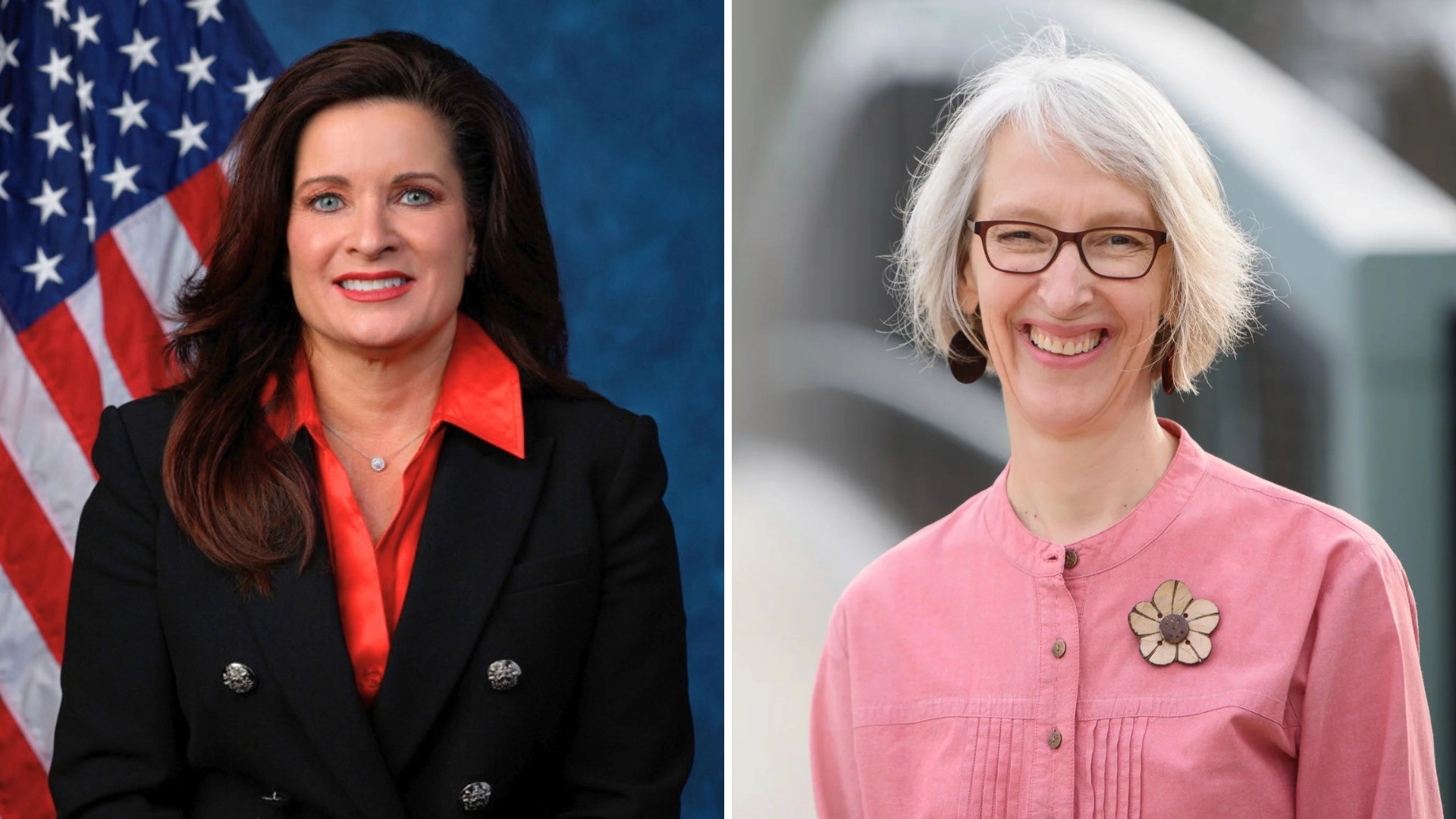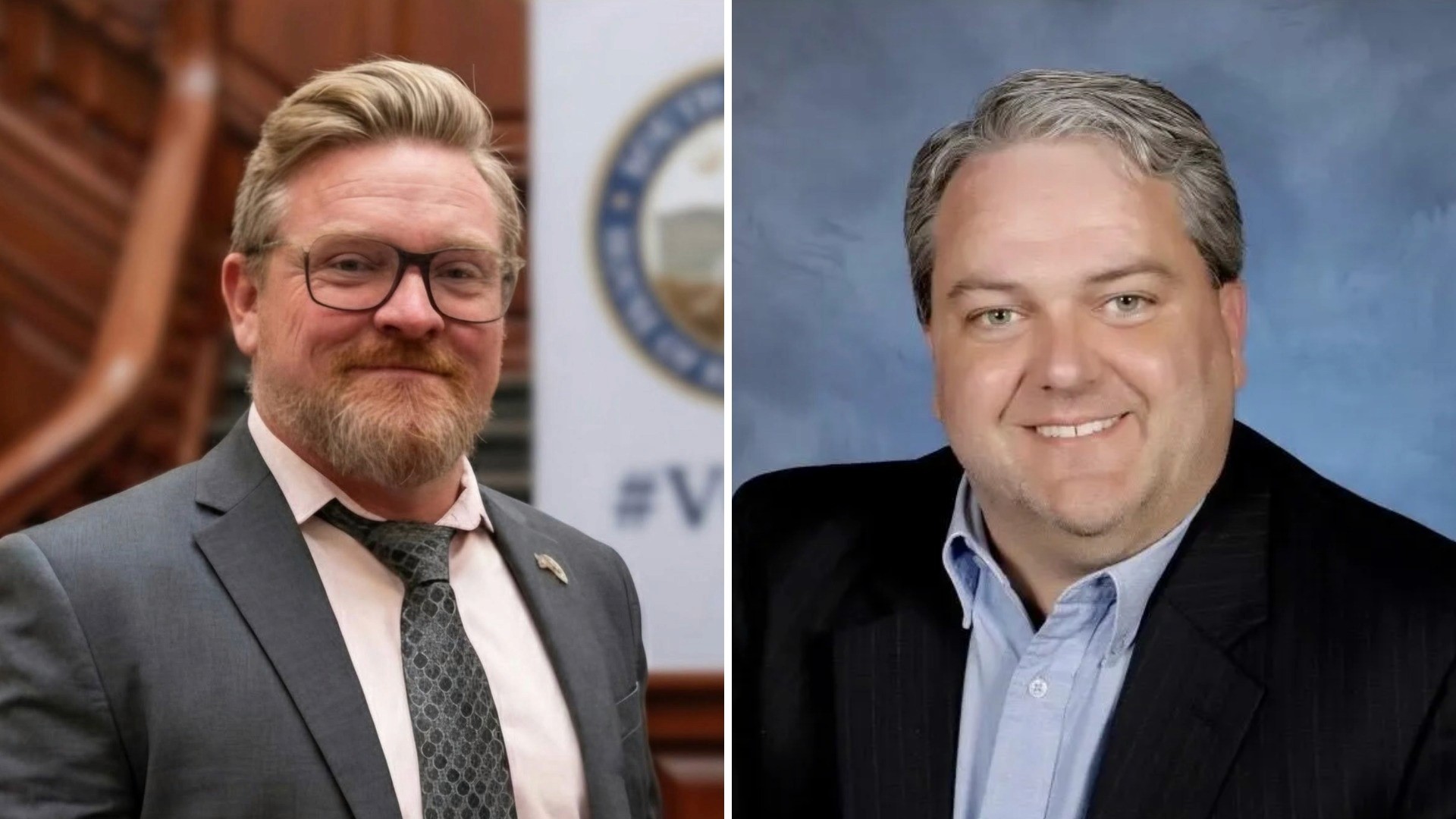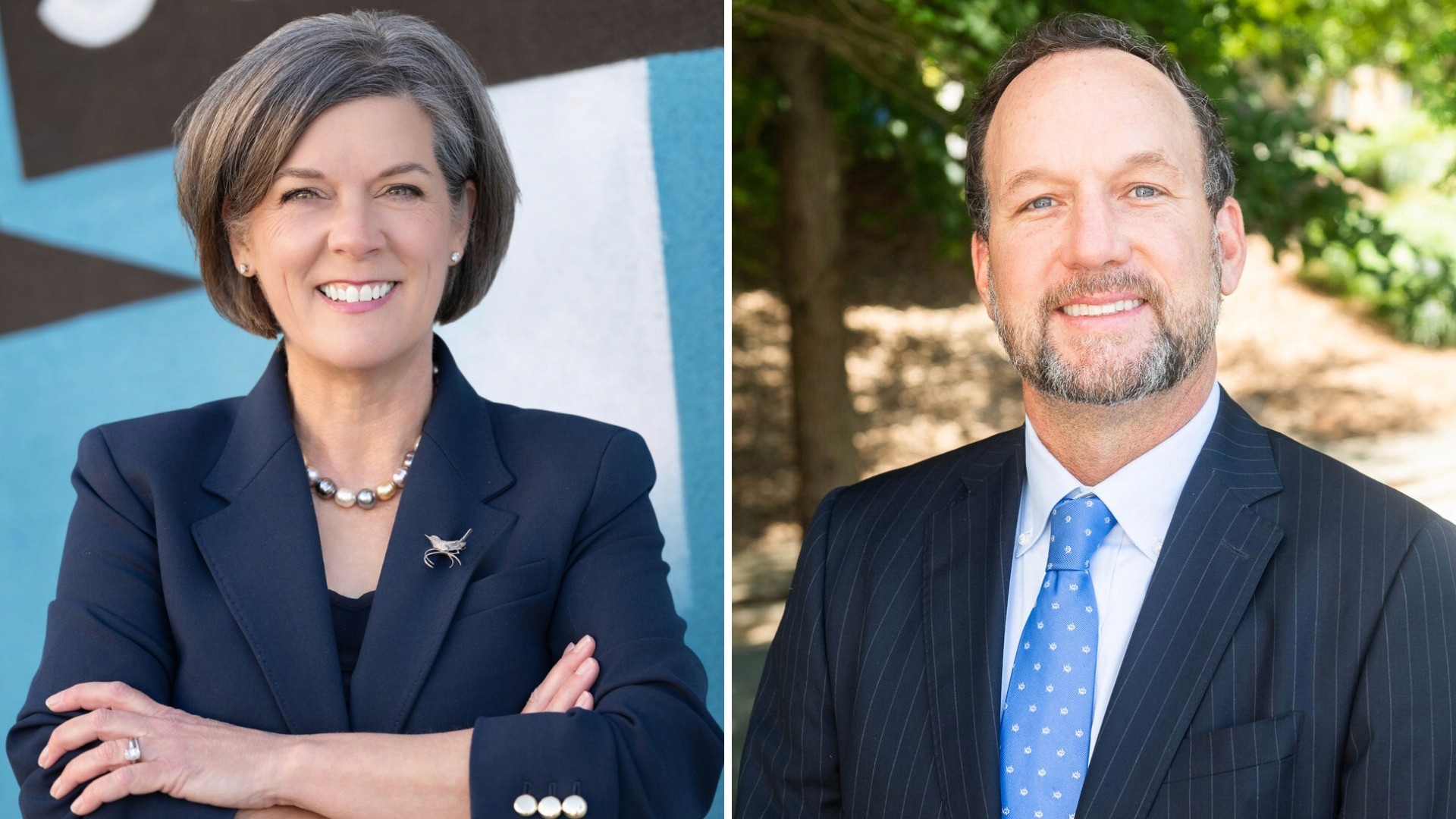


Who's running for U.S. House of Representatives in South Carolina's District 4? Meet Jessica Ethridge, Courtney McClain, and William Timmons, the three candidates on the ballot in the November 3, 2026 general election. Hear where they stand on the issues facing voters, then share this episode with your neighbors before Election Day.
How the interviews worked:
All candidates received the same questions at the time of their invitation to join us, and they were given 10 minutes for their interview. Candidates were allowed to bring along a companion, such as a campaign manager, family member, or friend, and to record our session themselves. There were no edits made to the interview.
Candidate links:
Introduction
Katy Smith: If you're new to Simple Civics: Greenville County, welcome! You are in great company. During our recent primary election alone, more than 20,000 of your neighbors tuned in to this podcast to get educated before heading to the ballot box. These nonpartisan, unbiased candidate interviews are a free public service provided by the nonprofit Greater Good Greenville, but producing them is made possible by listeners just like you. If you appreciate having a neutral, quick way to research your local candidates, visit our donation page at simplecivicsgreenvillecounty.org to lend your support. Your contribution helps keep civic education accessible to everyone in Greenville County. Now, on to the interviews.
When you go to the polls on November 3rd or during early voting, you have the chance to vote for important offices such as U.S. Senate, U.S. Congress, Governor, and State House members. We want to help you get to know your candidates so you can make an informed decision. I'm Katy Smith with Greater Good Greenville, and on this episode of Simple Civics: Greenville County, we feature interviews with your candidates for U.S. House of Representatives District 4: Libertarian Jessica Ethridge, Democrat Courtney McClain, and Republican William Timmons. District 4 generally covers the central and eastern portions of Greenville County, along with most of Spartanburg County. Here's how the interviews worked. All candidates received the same questions at the time of their invitation to join us, and they were given 10 minutes for their interview. Candidates were allowed to bring along a companion, such as a campaign manager, family member, or friend, and to record our session themselves. There were no edits made to the interview. We've put links to the participating candidates' preferred internet presence on the episode page.
Meet Jessica Ethridge: U.S. House of Representatives District 4 Candidate
Katy Smith: First up alphabetically is Jessica Ethridge. I'm pleased to be here with Jessica Ethridge, who is running for U.S. House of Representatives, District 4. Jessica, thanks so much for being here.
Jessica Ethridge: Thank you so much for having me.
Katy Smith: Well, tell us about yourself and why you're running for this office.
Jessica Ethridge: Well, I grew up here in the Upstate of South Carolina. I've been here all my life. I was raised in a working-class, blue-collar family. And my dad, growing up, my dad always included me and my brother in a lot of conversations around religion and politics. And he always said that it was his job to teach us how to think and not what to think. And so he always encouraged us to be part of experiences that would challenge us to think outside the box, to see what other people go through, what they experience, what they live, and how to kind of think through our own thoughts and build our own belief systems around what we thought was right. And so I've always held on to that as I've grown up.
I was asked a couple of years ago in 2022, well, I joined the Libertarian Party. I'm the Libertarian Party candidate. I joined the Libertarian Party in 2019, but I actually learned about the Libertarian Party in around 2008 when Ron Paul was running. He was kind of a big name, and everybody pretty much, I think, knows who Ron Paul is. And if they don't, well, shame on you, you should. But so that was kind of my introduction to the Libertarian Party, the Libertarian ideas. And the more I learned, the more I realized that that's me. Those are the principles that I was raised to believe in and to live in my day-to-day life. And so it was around about 2017, 2018 that I had just happened into my county party meeting, and I met the most welcoming group of folks. We had wonderful conversations, and it just felt like home. And so I got involved. I became my county party secretary, and I served as a delegate to our state convention. It was my first one in 2019. I've served as a delegate in every one since. And I've been a delegate to several national conventions now. And I've worked on presidential campaigns, the presidential campaign for Jo Jorgensen and Spike Cohen in 2020, which is a lot of fun.
And in 2022, we had a gentleman come forward who wanted to run for governor as a Libertarian, and he was new to all of us. And so the party had kind of said, you know, we feel like he could be a good candidate, but because we don't know him, we would really like for him to have a strong second as a lieutenant governor candidate. And so they asked me if I would do it. And, of course, I was honored. It's a big thing to ask. You know, it's an honor to be asked. And so I thought about it. I talked to my family about it, and everybody was on board. So I said, sure, let's do it. And I had never, well, when I was a little girl, I used to say I wanted to be the president. But in my adult life, I realized I liked to be more the woman behind the scenes, right? And I came to realize that in that campaign, I just really enjoyed talking to people. I liked getting out and meeting my neighbors in my community. And I don't want to say that I enjoyed hearing about the challenges and struggles they faced, but it was such a great experience to be able to establish that rapport with people, and to know that they felt comfortable enough sharing that with me and talking about ideas to help, you know. And that's what representatives are supposed to do. They're supposed to help. They're supposed to represent and be of service. And so I really enjoyed that part. And after that campaign wrapped up, they had me on a trajectory to run for governor here in South Carolina in this election. And with everything that was going on, I just didn't feel like it was the right time. And I have a son who is a senior this year in high school, and he's an athlete. He plays football. And a 46-county campaign is brutal. So I didn't think I could be the mom I wanted to be to him and be there for all of his moments and also give what I needed to give to a campaign. So I respectfully declined this go-around.
And so my campaign manager, who is a confidant and mentor for me and has been for a while, he said, well, Jessica, what about House? And I said, whose house? And he said, the U.S. House. He said, you know, seat four. Our district is up for re-election. He said, maybe that would be a little bit more suitable for you in this season of life that you're currently in. And I said, well, let me think about it. And so I talked to my friends and my family, and I received such overwhelming support that I said, you know what, let's just do this. Let's do it. So I run a very people-centered campaign. I don't like to talk to people about what I think is right for them. I like for them to tell me what they are struggling with. And I like to talk to them about what I can do to help them, because I've always believed that that is what a representative should do. These are positions of service, not power. And politics should never be more important than people.
Katy Smith: Thank you. What do you believe is most on constituents' minds that you can address should you win?
Jessica Ethridge: I think right now the biggest concern for people in the Upstate is the cost of living. It has skyrocketed in the last several years, and there are a lot of families who are having to choose between paying bills and putting groceries on the table, and no family should ever have to make those hard choices. So I think that's really the biggest concern. I think a lot of constituents, at least the ones I've talked to, they have a lot of concern around corruption in government and the politicians, the people who are elected, going to Washington and not actually serving the interests of the people who sent them to serve them.
Katy Smith: Thank you. What would be your plans to address those constituent concerns and interests?
Jessica Ethridge: As far as cost of living, I would, well, first of all, no one person can change the world by themselves, right? And a term in the House is short. And not, you know, I don't enter this telling people that I can do this thing or making promises that I know I'm not going to be able to keep. But the first step is voting no on legislative efforts that would increase cost of living or contribute to those increases. And one thing that I would like to do is make sure that I'm working with community leaders within District 4, particularly in underserved communities, and just making sure that those concerns are known and that they are addressed when I'm voting on legislation. And then putting forward legislation that, you know, would help, that would actually help, based on the feedback I receive from those community leaders. I'm an operations manager. That's what I do from nine to five. Most days it's five to nine.
And as part of that, you know, I've learned that in leadership, you have to be able to delegate. You have to be able to identify people who know more than you do about topics that are important. And you have to listen to those people. You have to listen to their expertise around the problem and also their solutions, because the people who are the closest to the problem are always the people who are closest to the solution.
Katy Smith: Thank you. We have a minute left. Is there anything else you'd like to share with listeners?
Jessica Ethridge: I don't think so. I do want to say that it is a privilege to run for this office, and that I would be honored to serve if elected.
Katy Smith: Well, thank you so much for your time, and thank you for your willingness to serve.
Jessica Ethridge: Yes, of course. Thank you.
Meet Courtney McClain: U.S. House of Representatives District 4 Candidate
Katy Smith: Next up is Courtney McClain. I am pleased to be joined by Courtney McClain, who is a candidate for the U.S. House of Representatives, District 4. Thanks so much for joining me.
Courtney McClain: Thank you for having me.
Katy Smith: Well, tell us about yourself and why you're running for this office.
Courtney McClain: Yes. So I am currently running because I am a lifelong resident of District 4. My family has lived in the area for two centuries. I am also a part of a new generation. We know that we have a younger population that is moving into the district. And unfortunately, my generation doesn't have time to wait. And so while I haven't held official office, what I have held is a grocery bill before. I've been able to see the rising rent. I've been able to see the rising prices that are really driving people out of our area. And so what I really want to make sure is that in the seat, I am able to deliver on those issues that are impacting us right here in Spartanburg and Greenville. I also feel like the experience of actually living here your whole life and understanding people from the working-class background, that that experience is really missing in Washington, D.C. And it's really something that I hope to bring to Congress. I think one of the biggest things that I'm running on is that health care is a right and not a business. And I believe that if you work hard in this district, that you should be able to afford to live and thrive here.
Katy Smith: Thank you. What do you believe is most on constituents' minds that you can address should you win?
Courtney McClain: Yes. So what I'm hearing is definitely the kitchen-table issues. So these are things about rent, your power bill, hospital bill. All of the costs are up, but wages have not increased to match them. So some of the main things that I've really been hearing is especially about energy. So when it comes to Duke, we know that a lot of Upstate residents have absorbed the rate increases that happened in February and March earlier this year. And another problem is that in 2027, if it is approved, that Duke Energy could actually increase your bill by $10 per month. And so that's something that a lot of people are worried about. Also, of course, health care. We had over 90,000 people in the district that were reliant on the ACA. And now that those premiums have quadrupled in some cases, there are thousands of people who are going without insurance. We also know that in our rural communities in particular, they're losing access to care, with longer ER wait times, increased prescription costs, and also there is a coverage gap for working-class people in the district. And a very Spartanburg-specific, we have a $3 billion data center that I actually live a mile from that is currently being built. And while we have been really pushing to stop the construction, it's really been to no avail. And so I really want to make sure that in Congress, able to address that issue head-on.
Katy Smith: Thank you. What would be your plans to address those constituent concerns and interests?
Courtney McClain: Yes. So for, of course, starting off with health care, that it is a right and not a business, I don't think anyone in Greenville should be losing their health care and having to choose between their prescription or also rent or going to a doctor's visit or clothing their children. We really need to make sure that we, of course, for those 90,000 ACA people who are reliant, that we strengthen that and that we also defend that. I also want to make sure that we expand Medicare and include all of the coverages in that, so dental, vision, reproductive health, and also cap the out-of-pocket cost. For housing and the cost of living, that is something that, of course, we know Greenville and Spartanburg are growing populations, but that growth has outpaced our infrastructure and also our housing as well. So something I really want to focus on specifically for housing is restricting corporate landlords and private equity from buying up all of those homes. And we also have a very bad foreclosure and eviction problem here. So I really want to make sure that I'm able to introduce a National Tenants Act, so that would cap rent hikes, expand right to counsel in housing court, and also ban those no-cause evictions. And for when you're going out for your everyday costs, one of the things that I have seen that has been kind of creeping up and not getting a lot of attention is that a lot of these corporations are using dynamic pricing. So I really want to ban the use of dynamic pricing when it comes to groceries, rent, and necessities, because this is legal price gouging of consumers.
And then for data centers, of course, I want to sign on to the national moratorium that will pause all construction of current data centers. And for those that are already operating, I want to ensure that they're paying fully for their own environmental impact, the cost to the power grid, which we know our power grid is not that great right now, and also for any new infrastructure that is needed to power them, as well as reimbursing the residents that are around these areas. I know for my home in particular, we have seen our water pressure decrease, but our energy increase. And so that is something that those 400 residents around the center are going to be impacted by. And if they are granted their permit that they're requesting, it could actually spread out and impact up to a thousand residents around this area. So those are some things that I'd definitely hit within my first 90 days.
Katy Smith: Thank you so much. We have a little bit more time. Is there anything else you'd like to share with listeners?
Courtney McClain: Yeah, well, of course, stop by the campaign website. That is McClain4SC.com. That's where we have all of our information related to the platform. We're running on an Upstate First agenda. Our slogan is Elevate the Upstate, where we make federal policies local. Also, I guess I would want to say, make sure that you're volunteering. If you have time, we do phone banking. We go out canvassing and really making sure that we're engaging with the community. If you ever have any events, feel free to invite me out. I rip and run across the district, and it's never too late or too early for me to speak with residents here. And I guess one of the closing things I would say is that this district hasn't really had a representative in a very long time that truly cares about the interests of people here. And so I really want to make sure that in Congress, I'm able to deliver that, being in the district every single day. Previously, I was working at the Toyota Government Affairs Office in D.C. And ever since I came back, I've been 100% on the campaign trail. And that dedication isn't going to stop on November 3rd. It will continue into Congress. And I hope to continue to fully immerse myself in this campaign experience and also meeting voters wherever they are.
Katy Smith: Well, thank you very much for joining us, and thank you for your willingness to serve.
Courtney McClain: Yes, thank you so much.
Meet William Timmons: U.S. House of Representatives District 4 Candidate
Katy Smith: Finally, William Timmons. I'm so pleased to be joined by William Timmons, who is running for re-election for U.S. Congress District 4. Thank you so much for being here.
William Timmons: Thanks for having me on.
Katy Smith: Well, tell us about yourself and why you're running for re-election.
William Timmons: Well, first, I really appreciate you doing this. It's a great opportunity to inform the voters. The democratic process is incredibly important, and we need to make sure that everybody casts an informed ballot. So again, my name is William Timmons. I've lived in the Upstate of South Carolina my entire life. My family's actually been in South Carolina for a couple hundred years, actually. And we have a trucking insurance company. That's the family business. I've never worked for it. We also have a real estate company, never worked for that either. I went to Christ Church Episcopal for church all my life. I went to Christ Church Episcopal School for school. I went to George Washington for undergrad, got a master's and a law degree at South Carolina. And I actually also got a master's in cybersecurity at NYU. My first job after law school was actually as a prosecutor. I was a prosecutor in Greenville and Pickens County. I did that for five years. I really enjoyed it. I prosecuted murders, armed robberies, white-collar crime, domestic violence. And that's part of the reason I ran for office. The other part is my time as a small business owner. In what is now Unity Park, 12 years ago, I bought a piece of property, an old building, and I opened a CrossFit gym, a yoga studio, leased it out to a restaurant, to a bike shop, event space, and my time as a small business owner is the other big thing that drove me to run for office.
I was just very frustrated with the government. Taxes and regulations were overbearing. And the criminal justice system was failing us, wasn't using technology to give us a more efficient process. And so I actually ran for state Senate originally. That was 10 years ago. And I got elected to the state Senate as a 31-year-old. I was a baby. When I first got elected to the state Senate, there were, I think, six members of the state Senate that had been in the state Senate longer than I've been alive.
Most of them had kids older than me. Some of them had grandchildren older than me. So it was a very interesting dynamic. And I learned a lot as a state senator. I learned the importance of earning people's respect and trust and building relationships. When Congressman Gowdy announced he wasn't going to run for re-election, I announced that I was going to run. We had 16 people run initially, and I ended up winning. And so I've actually been in Congress for seven and a half years now. I also serve in the South Carolina Air National Guard. I've been a member of the military, of the Air Force, for the last eight years. So I'm one of three members of Congress that gets to do both, serve in the military and serve in Congress. And it really has just been an honor, a privilege. And I've told everyone that if elected this time, this will be my last time in office. I told everybody that I believed in term limits and I was going to impose them on myself. I don't think that people should be in office for 40, 50, 60 years. And I'm looking forward to finishing out President Trump's last two years. And, you know, big things ahead.
Katy Smith: Thank you. What do you believe is most on constituents' minds that you can address should you win?
William Timmons: I think the number one thing is affordability. And, you know, the Biden administration spent $7 trillion that we don't have, causing interest rates to go through the roof, which caused inflation. And so our dollars are not going as far. Prices have gone up. Wages have been stagnant. So, I mean, the American people are struggling to put food on the table and to pay their rent, pay their mortgage. And, you know, we're doing everything we can to fight that here in Congress. The president, it's his top priority. The Treasury secretary is just incredible. It's his top priority. Inflation. And interest rates are our biggest issue because they affect everything.
So we're going to stop the government spending. We did not need to spend $7 trillion. They tried to justify it with COVID. But, I mean, I think probably a trillion dollars was stolen. I mean, so it was just incredibly wasteful. And it was just bad policy all around. And bad policy has bad consequences. And that's what we're seeing. So affordability is number one, and we're doing everything we can to tackle that. I think number two is probably health care. Health care is imploding on itself, and we've determined that health care is a right. I won't even argue about that, because that's been put to bed. We could agree or disagree with that. But health care is apparently a right, but there's no responsibilities. And people can treat their body horribly, not exercise, eat terribly, never drink water, not sleep. And they can go to the doctor and have unlimited health care for the rest of their life. There's a pill, there's a shot for everything, and there's no consequences if you hurt yourself and if you cause damage to your body. I mean, the amount of money we spend on type 2 diabetes, which is very preventable and reversible, is insane. I mean, probably 95% of our health care dollars, of which we spend trillions of dollars a year, all go to preventable long-term illnesses. So we've got to find a way to incentivize people to be healthy.
Diet and exercise can solve 90-plus percent of what ails the American people. Obviously, if you get into an accident or you have a genetic issue, I think we can all agree that we need to help those people. They didn't do anything wrong. But if you try to damage your body through bad decisions over years and years, we've got to find a way to create some accountability. And so that's something we got to figure out. And obviously, technology has a lot of opportunities to try to connect incentive structures with outcomes. But we just really have to find a way to get the American people to be healthier. And we're moving in the right direction. I mean, RFK, with the Make America Healthy Again movement, is moving in the right direction. I guess 11 states have now stopped allowing people that are getting food stamps, SNAP benefits, to purchase candy and soda. I mean, listen, I want to help people get back on their feet. Social safety nets are designed for that, and they're very important. But again, a king-sized Snickers is not something that everybody is entitled to. So we've got to get these things in alignment, and we're working on it, but it's going to take time. So I would say affordability, health care are the top two issues, and we're doing everything we can here in Congress to get a handle on them. And the president has made so many important changes in the last 18 months. And, you know, I'm excited for the next 30 months here to continue getting this massive ship, you know, change in direction for something this large takes time. And we're just, we're working hard to correct course.
Katy Smith: Thank you. What would be your plans to address those constituent concerns and interests?
William Timmons: I kind of alluded to them in the answers, but, you know, affordability, the government has to stop spending money that we don't have. And the trade agreements that we've been renegotiating are very important. Getting the U.S. economy in a better position to compete in the global economy is critically important. Immigration is another really important thing. And we've stopped all illegal immigration. We have secured the border. We've had no illegal border crossings for over a year now. But we also have to fix prospective immigration, because in order to grow the economy, we have to have more people. And so that's an important component. Affordability has so many different components to it. Another big one is gas prices. And, you know, if last year we took our medicine with tariffs, this year we're taking our medicine with gas prices. Iran is the biggest state-sponsored terrorism in the world, and we need to make sure that they do not have a nuclear weapon, because they will give it to a terrorist group who will then use it here. So the Treasury secretary said it best. Sometimes when you're sick, you got to take your medicine. So we took our medicine last year with tariffs. We're in a better spot. We're taking our medicine right now with Iran. We got to get past this, though. We need to get gas prices back down. That's a huge component. The president knows that. He's doing everything he can to resolve the conflict in Iran. And so all of those things go together for combating inflation, interest rates, and just affordability generally.
Again, as for health care, there's just a lot of different things that we've got to do. We've got to get people to be healthy. We've got to get them to align. We've got to align their interests with the interests of the government. We need a healthy population that can go to work, have kids, you know, contribute to society. And you can't do that if you're on dialysis three hours a day, five days a week. You just can't do that. So we've got to get people healthy again. We've got to get past this thought process that, well, you know, I've gained weight and I got a high blood pressure, so here's a pill and I'm going to take this pill for the next 50 years. That's just a bad solution to a very preventable problem. So we've got to get past this pill mentality, this shot, pill-for-everything mentality, and we've got to get back to clean food and focusing on diet and exercise and really, you know, just reinvigorate the health focus of the American people. And RFK is doing a great job at that, and the president's pushing it, and the Secretary of War is pushing it, and we're moving in the right direction. It's just going to take time.
Katy Smith: Well, thank you so much for joining us. And thank you so much for your willingness to continue to serve.
William Timmons: Appreciate you. Thank you.
Credits
Simple Civics: Greenville County is produced by Podcast Studio X and is powered by BuzzyPod.
A Greater Good Greenville project.